
 English
 Russian
Choosing the Right Automatic Exhaust Valve for Your Industrial Needs: A Comprehensive Guide
2026-06-06
Choosing the Right Automatic Exhaust Valve for Your Industrial Needs
Table of Contents
- Introduction to Automatic Exhaust Valves
- Understanding Applications of Automatic Exhaust Valves
- Types of Automatic Exhaust Valves
- Key Functionalities and Features
- Factors to Consider When Choosing an Automatic Exhaust Valve
- Installation and Maintenance Best Practices
- Cost Analysis of Different Exhaust Valves
- Frequently Asked Questions
- Conclusion
Introduction to Automatic Exhaust Valves
In the industrial sector, **automatic exhaust valves** play a vital role in ensuring efficient operation and safety in various systems. These components are designed to manage the flow of air and gases, providing a crucial function in a wide array of applications, from HVAC systems to automotive and manufacturing processes.
The right automatic exhaust valve can significantly enhance system performance, reduce energy consumption, and ensure optimal safety. Understanding the various types, features, and specifications can help you make an informed decision tailored to your unique operational needs.
Understanding Applications of Automatic Exhaust Valves
Automatic exhaust valves are indispensable in numerous industrial applications. Here is a closer look at their primary uses:
HVAC Systems
In heating, ventilation, and air conditioning (HVAC) systems, these valves help regulate airflow and maintain optimal indoor air quality. They prevent the build-up of pressure and ensure that systems operate efficiently.
Automotive Industry
In automotive applications, automatic exhaust valves are crucial for controlling emissions and maintaining optimal engine performance. They help regulate exhaust flow, improving fuel efficiency and reducing environmental impact.
Manufacturing Processes
Manufacturers use these valves in various processes, including chemical manufacturing and food processing, to manage the release of gases safely and efficiently.
Types of Automatic Exhaust Valves
Understanding the different types of automatic exhaust valves available is essential for making the right choice. Here are the most common types:
Pressure-Relief Valves
These valves are designed to relieve excess pressure within a system, preventing damage to equipment and ensuring safe operation. They automatically open when pressure reaches a predetermined level.
Vacuum Relief Valves
Vacuum relief valves prevent negative pressure from damaging systems by allowing air to enter when a vacuum is created. This is essential in applications involving liquid storage and transport.
Solenoid Valves
Solenoid valves use electromagnetic coils to control the flow of gases. They offer precise control and are commonly used in automatic systems where rapid response is necessary.
Float Valves
Float valves operate based on the liquid level in a tank. They automatically open or close to maintain a stable liquid level, making them ideal for applications requiring constant liquid flow.
Key Functionalities and Features
When selecting an automatic exhaust valve, several functionalities stand out. Here are key features to consider:
Durability
Choose valves made from high-quality materials that withstand corrosive environments and extreme temperatures. Stainless steel and brass are common choices for durability.
Response Time
Look for valves with a quick response time to ensure efficient operation. A faster response can prevent system damage and improve overall performance.
Flow Rate
Consider the flow rate specifications to ensure the valve can handle the required volume of air or gas. This is critical for maintaining system efficiency.
Compatibility
Ensure the valve is compatible with your existing systems and components. This includes checking the size, connection types, and operating pressures.
Factors to Consider When Choosing an Automatic Exhaust Valve
Choosing the right automatic exhaust valve requires careful consideration of several factors:
System Requirements
Assess the specific requirements of your industrial system. Understand the pressures, temperatures, and media involved to select an appropriate valve.
Regulatory Standards
Compliance with industry standards and regulations is critical. Ensure that the exhaust valve meets all necessary regulatory requirements for your application.
Cost vs. Performance
While cost is an important consideration, focus on performance and longevity as well. Sometimes, investing in higher-quality valves can lead to long-term savings through reduced maintenance and increased efficiency.
Supplier Reputation
Choose reputable suppliers known for quality and reliability. Research customer reviews and industry feedback to ensure you are making an informed decision.
Installation and Maintenance Best Practices
Proper installation and maintenance are crucial for the longevity of your automatic exhaust valve. Here are some best practices:
Installation Tips
- **Follow Manufacturer Instructions**: Adhere to the guidelines provided by the manufacturer for installation.
- **Check Connections**: Ensure all connections are tight and leak-free to maintain system integrity.
- **Test the System**: After installation, conduct thorough testing to ensure the valve functions as intended.
Maintenance Practices
- **Regular Inspections**: Schedule regular inspections to identify any wear or damage early.
- **Cleanliness**: Keep the valve and surrounding area clean to prevent contamination and operational issues.
- **Lubrication**: Ensure moving parts are properly lubricated to enhance performance and prevent wear.
Cost Analysis of Different Exhaust Valves
Understanding the costs associated with various automatic exhaust valves can aid in making an informed decision. Consider the following:
Initial Costs
The initial purchase price varies widely depending on the type and specifications of the valve. Budget for a range that fits your operational needs while considering quality.
Operating Costs
Factor in the long-term operating costs, including energy consumption, maintenance, and potential repairs. Higher upfront costs may be justified by lower operating expenses.
Return on Investment
Evaluate the potential ROI based on improved efficiency, reduced downtime, and extended lifespan. A quality valve can lead to significant savings over time.
Frequently Asked Questions
1. What is the primary purpose of an automatic exhaust valve?
Automatic exhaust valves regulate the flow of air and gases in industrial systems, ensuring optimal performance and safety.
2. How do I determine the right size for my exhaust valve?
Calculate the required flow rate and pressure in your system. Consult manufacturer specifications for sizing guidelines.
3. Can I install an automatic exhaust valve myself?
While some installations can be DIY, it’s recommended to hire a qualified technician to ensure proper installation and compliance with industry standards.
4. What materials are best for automatic exhaust valves?
Stainless steel and brass are commonly used for their durability and resistance to corrosion.
5. How often should I maintain my exhaust valve?
Regular inspections should be conducted at least once a year, with maintenance performed as needed based on the valve’s condition and usage.
Conclusion
Choosing the right **automatic exhaust valve** for your industrial needs requires thorough understanding and consideration of various factors. By evaluating types, functionalities, and specific application requirements, you can select a valve that enhances performance and ensures safety.
Prioritize quality materials, compatibility, and reliable suppliers to make the most informed decision. With proper installation and maintenance, your automatic exhaust valve will serve as a critical component in optimizing your industrial operations for years to come.
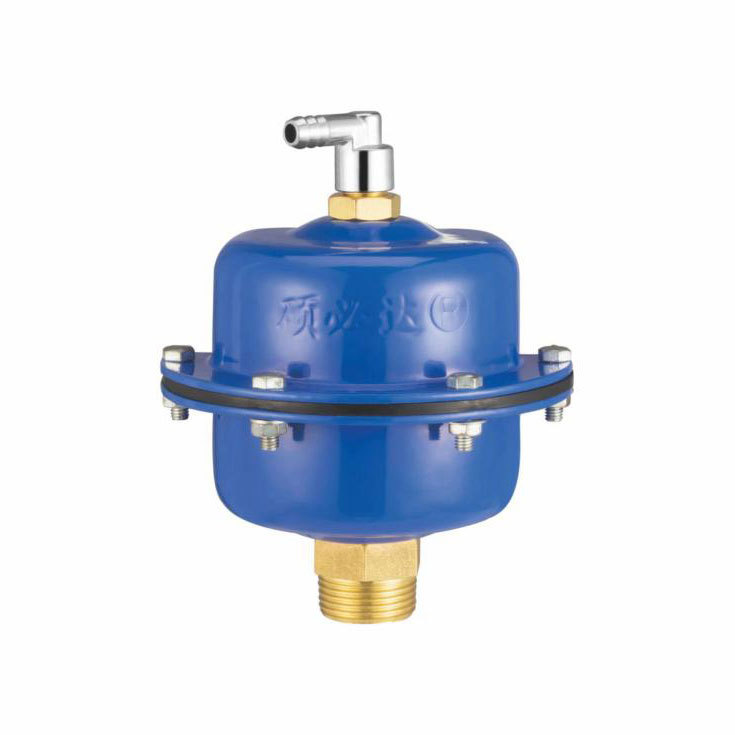
Quick intake and exhaust automatic exhaust valve
Related information
Choosing the Right Automatic Exhaust Valve for Your Industrial Needs: A Comprehensive Guide
2026-06-06
Understanding Automatic Air Release Valves: Essential Components for Industrial Efficiency
2026-06-04
Stainless Steel vs. Other Materials: Why Exhaust Valves Matter in Industrial Applications
2026-06-02
CONTACT US
You can email us
24-Hour Consultation Hotline
Head office Address
Renhekou Village, Beixinzhuang Town, Renqiu City, Hebei Province

Please tell us what you need
Our engineers will contact you within 12 hours and provide free proposal and quotation.