Understanding Automatic Air Release Valves: Essential Components for Industrial Efficiency
2026-06-04
Automatic air release valves (AARVs) play a pivotal role in maintaining the efficiency and safety of fluid systems, particularly in industrial applications. These specialized valves are designed to automatically expel trapped air from pipelines, tanks, and other equipment, ensuring optimal fluid flow and preventing possible damage to the system. Understanding the functionality, benefits, and appli
Automatic air release valves (AARVs) play a pivotal role in maintaining the efficiency and safety of fluid systems, particularly in industrial applications. These specialized valves are designed to automatically expel trapped air from pipelines, tanks, and other equipment, ensuring optimal fluid flow and preventing possible damage to the system. Understanding the functionality, benefits, and applications of AARVs is essential for professionals seeking to enhance their industrial operations.
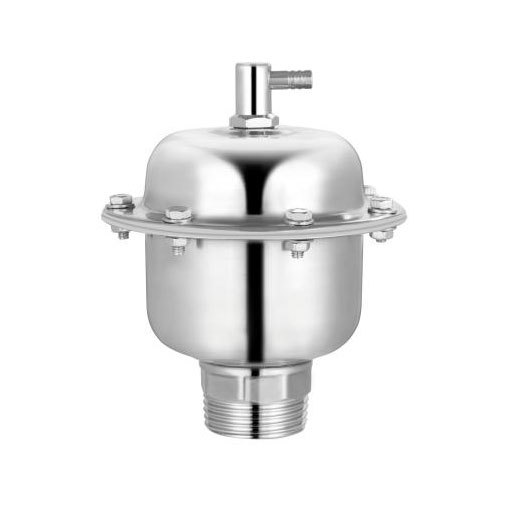
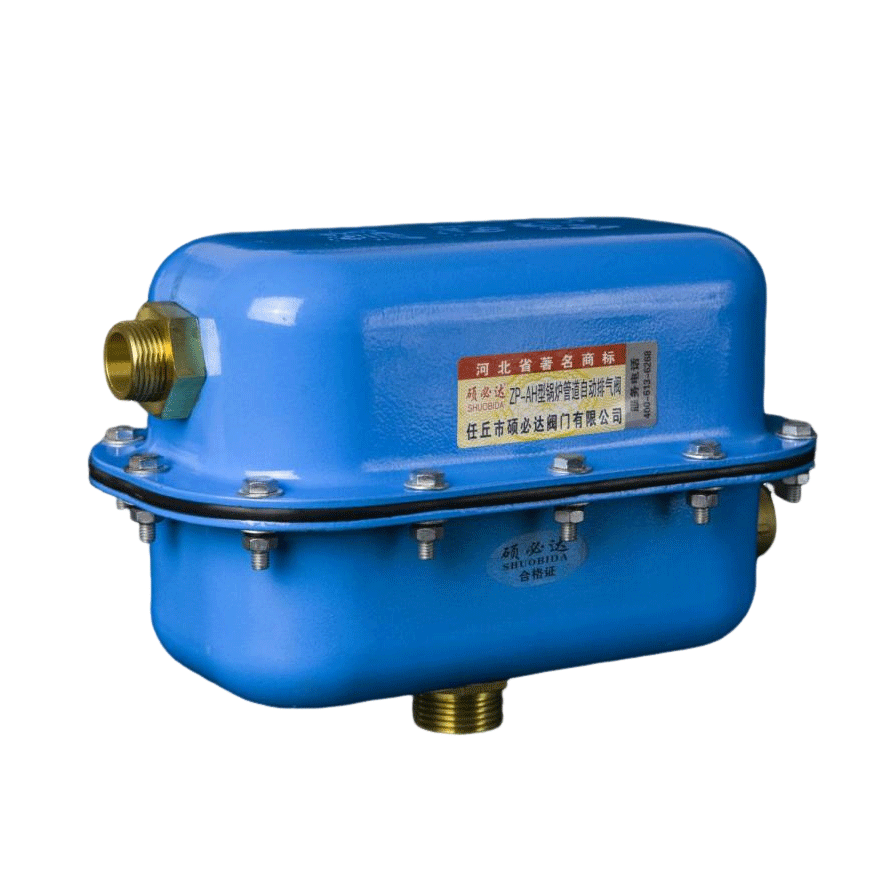
The primary function of an automatic air release valve is to remove air pockets that can accumulate in pipelines. Air trapped within a fluid system can lead to reduced efficiency, pressure fluctuations, and even potential system failure. AARVs use a buoyant float mechanism to detect air presence and automatically open to vent it out, thereby maintaining a consistent pressure and flow rate. This automatic operation significantly reduces the need for manual intervention, which is both time-consuming and prone to human error.
One significant benefit of employing automatic air release valves is the enhancement of system reliability. By ensuring that air is promptly released, these valves help to prevent issues such as cavitation, hydraulic shock, and corrosion. Cavitation occurs when air pockets form and collapse, causing shock waves that can damage pipes and valves. Similarly, hydraulic shock can lead to system failures and costly downtime. By maintaining a steady fluid flow and preventing these issues, AARVs effectively extend the lifespan of industrial equipment.
In addition to reliability, AARVs contribute to energy efficiency. When air accumulates in a system, pumps and compressors must work harder to maintain pressure and flow, leading to increased energy consumption. By automatically releasing trapped air, these valves allow for smoother operation of pumps and other equipment, thereby optimizing energy use and reducing operational costs.
Automatic air release valves are utilized across various industries, including water treatment, HVAC systems, and hydraulic applications. In water treatment facilities, for instance, AARVs ensure that pipelines remain free of air pockets that could hinder water flow and treatment efficiency. In HVAC systems, they help maintain pressure in chilled water lines, improving system performance. The versatility of AARVs makes them indispensable in any industrial setting where fluid management is critical.
In conclusion, automatic air release valves are essential components in modern industrial systems. They not only enhance operational efficiency and reliability but also play a key role in energy conservation and equipment longevity. For professionals in the valve and industrial equipment sector, understanding the functionality and benefits of AARVs is vital for optimizing system performance and ensuring safety.
The primary function of an automatic air release valve is to remove air pockets that can accumulate in pipelines. Air trapped within a fluid system can lead to reduced efficiency, pressure fluctuations, and even potential system failure. AARVs use a buoyant float mechanism to detect air presence and automatically open to vent it out, thereby maintaining a consistent pressure and flow rate. This automatic operation significantly reduces the need for manual intervention, which is both time-consuming and prone to human error.
One significant benefit of employing automatic air release valves is the enhancement of system reliability. By ensuring that air is promptly released, these valves help to prevent issues such as cavitation, hydraulic shock, and corrosion. Cavitation occurs when air pockets form and collapse, causing shock waves that can damage pipes and valves. Similarly, hydraulic shock can lead to system failures and costly downtime. By maintaining a steady fluid flow and preventing these issues, AARVs effectively extend the lifespan of industrial equipment.
In addition to reliability, AARVs contribute to energy efficiency. When air accumulates in a system, pumps and compressors must work harder to maintain pressure and flow, leading to increased energy consumption. By automatically releasing trapped air, these valves allow for smoother operation of pumps and other equipment, thereby optimizing energy use and reducing operational costs.
Automatic air release valves are utilized across various industries, including water treatment, HVAC systems, and hydraulic applications. In water treatment facilities, for instance, AARVs ensure that pipelines remain free of air pockets that could hinder water flow and treatment efficiency. In HVAC systems, they help maintain pressure in chilled water lines, improving system performance. The versatility of AARVs makes them indispensable in any industrial setting where fluid management is critical.
In conclusion, automatic air release valves are essential components in modern industrial systems. They not only enhance operational efficiency and reliability but also play a key role in energy conservation and equipment longevity. For professionals in the valve and industrial equipment sector, understanding the functionality and benefits of AARVs is vital for optimizing system performance and ensuring safety.
Automatic air release valve
Related information
Understanding Automatic Air Release Valves: Essential Components for Industrial Efficiency
Automatic air release valves (AARVs) play a pivotal role in maintaining the efficiency and safety of fluid systems, particularly in industrial applications. These specialized valves are designed to automatically expel trapped air from pipelines, tanks, and other equipment, ensuring optimal fluid flow and preventing possible damage to the system. Understanding the functionality, benefits, and appli
2026-06-04
Stainless Steel vs. Other Materials: Why Exhaust Valves Matter in Industrial Applications
Table of Contents
1. Introduction to Exhaust Valves
2. Understanding Materials Used in Exhaust Valves
2.1 Stainless Steel: The Superior Choice
2.2 Other Materials: Cast Iron, Aluminum, and More
3. Key Performance Factors in Exhaust Valves
3.1 Durability and Corrosion Resistance
3.2 Temperature Resistance and
2026-06-02
Understanding the Importance of Boiler Exhaust Valves in Industrial Applications
Boiler exhaust valves play a vital role in the safe and efficient operation of industrial boilers. These valves are designed to regulate the release of exhaust gases generated during the combustion process in a boiler system. Proper functioning of boiler exhaust valves is essential for maintaining system efficiency, ensuring safety, and complying with environmental regulations.
One of the primary
2026-05-31
English
Russian