
 English
 Russian
Stainless Steel vs. Other Materials: Why Exhaust Valves Matter in Industrial Applications
2026-06-02
Stainless Steel vs. Other Materials: Why Exhaust Valves Matter in Industrial Applications
Table of Contents
1. Introduction to Exhaust Valves
2. Understanding Materials Used in Exhaust Valves
2.1 Stainless Steel: The Superior Choice
2.2 Other Materials: Cast Iron, Aluminum, and More
3. Key Performance Factors in Exhaust Valves
3.1 Durability and Corrosion Resistance
3.2 Temperature Resistance and Thermal Conductivity
3.3 Weight Considerations
4. Application-Specific Considerations
4.1 Automotive Exhaust Valves
4.2 Industrial Machinery and Equipment
5. Cost Analysis: Stainless Steel vs. Other Materials
6. Maintenance and Longevity of Exhaust Valves
7. FAQs
8. Conclusion
1. Introduction to Exhaust Valves
Exhaust valves play a pivotal role in a wide array of industrial applications, dictating the efficiency and effectiveness of exhaust systems. These components control the flow of exhaust gases, ensuring optimal performance in engines and machinery. Selecting the right material for exhaust valves is critical, as it directly influences durability, performance, and maintenance requirements.
In the realm of industrial valves, stainless steel has emerged as a leading material due to its myriad advantages over alternatives. This article delves into why exhaust valves matter, examining the differences between stainless steel and other commonly used materials.
2. Understanding Materials Used in Exhaust Valves
The choice of material for exhaust valves can significantly affect their performance across various applications. Here, we will explore the most prevalent materials in valve manufacturing to understand their benefits and drawbacks.
2.1 Stainless Steel: The Superior Choice
Stainless steel is lauded for its exceptional strength, corrosion resistance, and heat tolerance. Its alloy composition, typically including chromium and nickel, provides a robust barrier against rust and oxidation. This makes stainless steel an ideal choice for exhaust valves exposed to extreme conditions, such as high temperatures and abrasive environments.
Moreover, stainless steel valves demonstrate excellent fatigue resistance, allowing them to withstand the cyclical stresses of engine operation without failure. Their smooth surface finish also aids in reducing friction, leading to improved efficiency and longevity.
2.2 Other Materials: Cast Iron, Aluminum, and More
While stainless steel is often the preferred material, other options do exist. Cast iron, for example, is known for its durability and ability to absorb vibrations. However, it has limitations concerning corrosion resistance, making it less suitable for applications with harsh exhaust environments.
Aluminum valves offer a lightweight alternative, which can be beneficial in reducing overall vehicle weight for automotive applications. However, aluminum is less durable than stainless steel and may not withstand high-temperature or high-pressure conditions effectively.
Other materials, such as brass and bronze, are occasionally used for specialty exhaust valves, but their applications are limited due to performance constraints.
3. Key Performance Factors in Exhaust Valves
To determine the best material for exhaust valves, it is essential to analyze key performance factors that directly impact their functionality.
3.1 Durability and Corrosion Resistance
Corrosion resistance is paramount in exhaust applications, where valves are frequently exposed to moisture and corrosive gases. Stainless steel excels in this area, outperforming materials like cast iron and aluminum. Its inherent properties enable it to maintain structural integrity over extended periods, reducing the likelihood of costly repairs or replacements.
3.2 Temperature Resistance and Thermal Conductivity
Exhaust valves must operate effectively under high temperatures generated during combustion processes. Stainless steel’s ability to withstand extreme heat without warping or degrading makes it preferable in high-performance environments. In contrast, aluminum’s thermal conductivity can lead to rapid heat loss, affecting valve performance and lifespans.
3.3 Weight Considerations
While weight may not be a top priority in all applications, it can be significant in automotive sectors where performance is linked to weight distribution. Aluminum offers a lightweight alternative, yet it sacrifices durability and heat resistance. Stainless steel strikes a balance, providing a robust option without excessively increasing weight.
4. Application-Specific Considerations
The choice of exhaust valve material can also depend on the specific application and industry requirements.
4.1 Automotive Exhaust Valves
In the automotive industry, exhaust valves must endure intense conditions, including high temperatures and harsh exhaust gases. Stainless steel is often the material of choice for high-performance engines due to its strength and resilience. Performance vehicles may utilize specialized stainless steel alloys for optimized functionality.
4.2 Industrial Machinery and Equipment
In industrial settings, valves need to manage exhaust efficiently while being resistant to corrosion and wear. Stainless steel valves are widely used in machinery, as they provide longevity and reliability in diverse applications, from power generation to chemical processing.
5. Cost Analysis: Stainless Steel vs. Other Materials
When considering materials for exhaust valves, cost is a critical factor. Although stainless steel may have a higher upfront cost compared to alternatives like cast iron or aluminum, its durability and performance often lead to long-term savings. Fewer replacements and lower maintenance costs make stainless steel a cost-effective choice over the valve's lifecycle.
6. Maintenance and Longevity of Exhaust Valves
The maintenance requirements of exhaust valves can vary based on material choice. Stainless steel valves generally require less frequent maintenance due to their resistance to corrosion and wear. In contrast, valves made from materials with lower durability may necessitate regular inspections and replacements, increasing operational costs.
Investing in high-quality stainless steel exhaust valves often translates to reduced downtime and increased productivity, making them an advantageous choice for industrial operations.
7. FAQs
7.1 What are the advantages of stainless steel exhaust valves?
Stainless steel exhaust valves offer superior corrosion resistance, durability, heat tolerance, and long life, making them ideal for high-performance applications.
7.2 Are there any disadvantages to using stainless steel for exhaust valves?
While stainless steel is generally more expensive upfront, its long-term benefits often outweigh the initial costs. It is also heavier than some alternatives, which may not be ideal for all applications.
7.3 Can aluminum valves be used in high-performance engines?
Aluminum valves can be used in some high-performance applications, but they may not withstand the same temperature and pressure levels as stainless steel, potentially leading to failure.
7.4 How often should exhaust valves be replaced?
The replacement frequency of exhaust valves varies based on material, usage, and operating conditions. Stainless steel valves can last significantly longer than those made from less durable materials.
7.5 What factors should I consider when choosing exhaust valves for my application?
Consider factors such as temperature resistance, corrosion resistance, weight, cost, and specific application requirements to ensure optimal performance and longevity.
8. Conclusion
In the competitive landscape of industrial applications, the choice of material for exhaust valves cannot be overstated. Stainless steel stands out as the superior option, offering unmatched durability, corrosion resistance, and heat tolerance compared to alternative materials. Whether for automotive or industrial machinery, stainless steel exhaust valves provide long-term savings through reduced maintenance and replacement requirements.
As industries continue to evolve, the demand for reliable, high-performance components like exhaust valves will only grow. Making informed choices regarding material selection ensures that operations remain efficient and cost-effective. Investing in quality stainless steel valves today means a more productive tomorrow for your industrial applications.
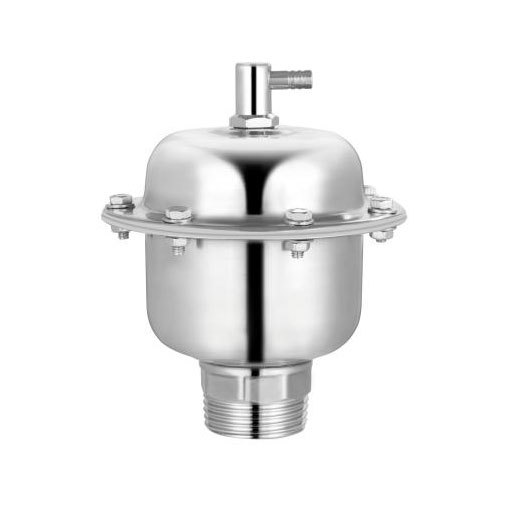
Stainless steel exhaust valve
Related information
Stainless Steel vs. Other Materials: Why Exhaust Valves Matter in Industrial Applications
2026-06-02
Understanding the Importance of Boiler Exhaust Valves in Industrial Applications
2026-05-31
How Solar Exhaust Valves Contribute to Reducing Carbon Footprint
2026-05-29
CONTACT US
You can email us
24-Hour Consultation Hotline
Head office Address
Renhekou Village, Beixinzhuang Town, Renqiu City, Hebei Province

Please tell us what you need
Our engineers will contact you within 12 hours and provide free proposal and quotation.