Understanding the Functionality and Benefits of Automatic Air Release Valves
2026-07-31
Automatic air release valves are critical components in various industrial applications, primarily focusing on fluid systems where air entrapment can lead to inefficiencies and potential equipment failure. Understanding their functionality and benefits is crucial for professionals in the industrial equipment and components sector, particularly those involved in valves and valve accessories.
At the
Automatic air release valves are critical components in various industrial applications, primarily focusing on fluid systems where air entrapment can lead to inefficiencies and potential equipment failure. Understanding their functionality and benefits is crucial for professionals in the industrial equipment and components sector, particularly those involved in valves and valve accessories.
At their core, automatic air release valves are designed to eliminate trapped air from pipelines and other enclosed systems. Air pockets can lead to a range of problems, including reduced flow rates, noise, vibration, and even structural damage to the system. By automatically venting excess air, these valves ensure that the system operates efficiently and safely.
One of the key benefits of using automatic air release valves is their ability to enhance system performance. In fluid systems, air can create turbulence, which impairs the efficient transport of liquids. When these valves are installed, they significantly reduce the chances of air accumulation, allowing for smoother fluid flow. This not only optimizes the system's operational efficiency but also extends the lifespan of pumps and other components by minimizing wear and tear.
Another significant advantage is that automatic air release valves contribute to system safety. Trapped air can create pressure imbalances that lead to hydraulic shocks, which may cause severe damage to pipes and other equipment. By venting air automatically, these valves help maintain balanced pressure throughout the system, thereby reducing the risk of catastrophic failures and enhancing overall operational reliability.
Additionally, the convenience of automatic air release valves should not be overlooked. Traditionally, manual air release methods required constant monitoring and adjustment, which could be labor-intensive and prone to human error. Automatic valves eliminate this need for manual intervention, allowing for a more streamlined operation and freeing up personnel for other critical tasks.
When selecting an automatic air release valve, industrial professionals should consider factors such as size, pressure rating, and material compatibility with the fluids being transported. Opting for the right valve ensures optimal functionality in the intended application, maximizing the benefits of air release.
In summary, automatic air release valves are indispensable in maintaining the efficiency, safety, and longevity of fluid systems in industrial settings. By facilitating the automatic removal of trapped air, they optimize performance, reduce risks, and simplify maintenance efforts. Understanding their functionality not only helps in choosing the right components but also in implementing best practices for system management.
At their core, automatic air release valves are designed to eliminate trapped air from pipelines and other enclosed systems. Air pockets can lead to a range of problems, including reduced flow rates, noise, vibration, and even structural damage to the system. By automatically venting excess air, these valves ensure that the system operates efficiently and safely.
One of the key benefits of using automatic air release valves is their ability to enhance system performance. In fluid systems, air can create turbulence, which impairs the efficient transport of liquids. When these valves are installed, they significantly reduce the chances of air accumulation, allowing for smoother fluid flow. This not only optimizes the system's operational efficiency but also extends the lifespan of pumps and other components by minimizing wear and tear.
Another significant advantage is that automatic air release valves contribute to system safety. Trapped air can create pressure imbalances that lead to hydraulic shocks, which may cause severe damage to pipes and other equipment. By venting air automatically, these valves help maintain balanced pressure throughout the system, thereby reducing the risk of catastrophic failures and enhancing overall operational reliability.
Additionally, the convenience of automatic air release valves should not be overlooked. Traditionally, manual air release methods required constant monitoring and adjustment, which could be labor-intensive and prone to human error. Automatic valves eliminate this need for manual intervention, allowing for a more streamlined operation and freeing up personnel for other critical tasks.
When selecting an automatic air release valve, industrial professionals should consider factors such as size, pressure rating, and material compatibility with the fluids being transported. Opting for the right valve ensures optimal functionality in the intended application, maximizing the benefits of air release.
In summary, automatic air release valves are indispensable in maintaining the efficiency, safety, and longevity of fluid systems in industrial settings. By facilitating the automatic removal of trapped air, they optimize performance, reduce risks, and simplify maintenance efforts. Understanding their functionality not only helps in choosing the right components but also in implementing best practices for system management.
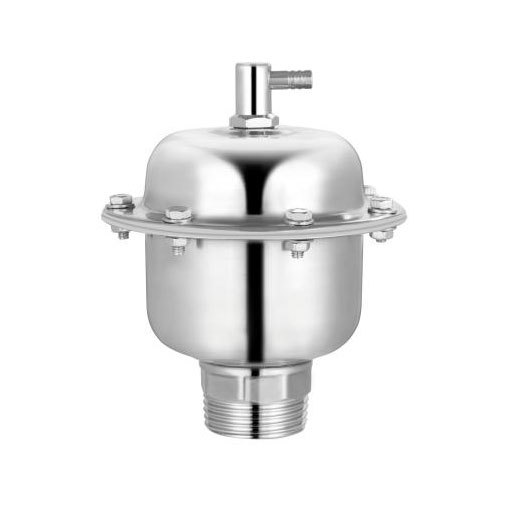
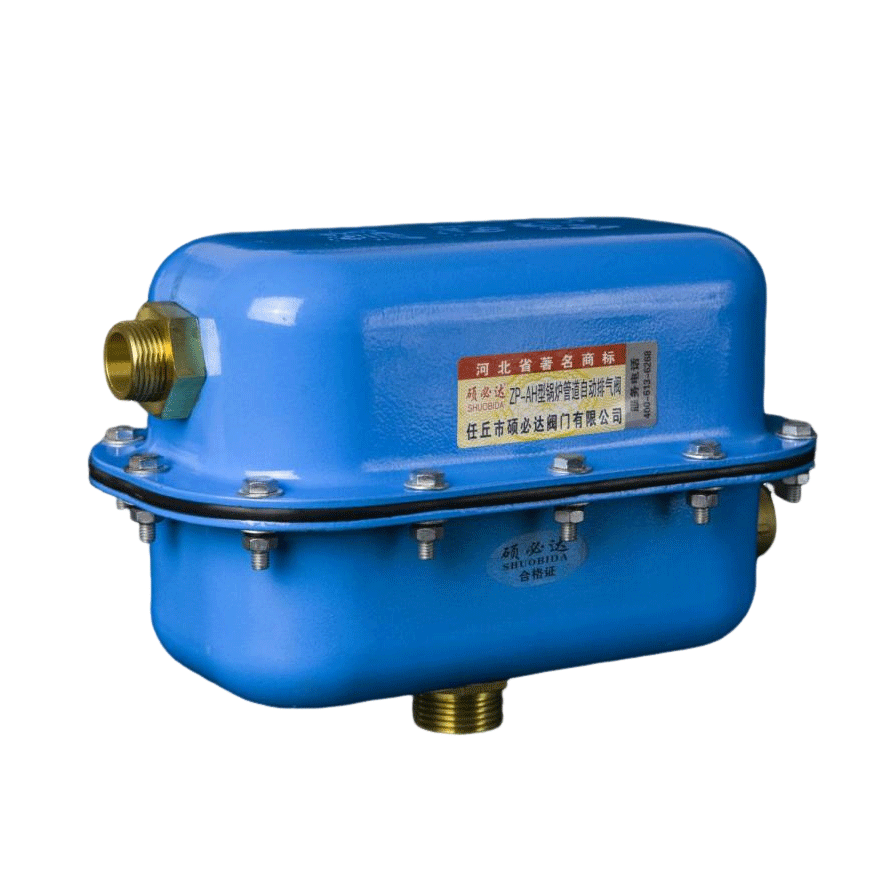
Automatic air release valve
Related information
Understanding the Functionality and Benefits of Automatic Air Release Valves
Automatic air release valves are critical components in various industrial applications, primarily focusing on fluid systems where air entrapment can lead to inefficiencies and potential equipment failure. Understanding their functionality and benefits is crucial for professionals in the industrial equipment and components sector, particularly those involved in valves and valve accessories.
At the
2026-07-31
A Comprehensive Guide to Stainless Steel Exhaust Valves for Industry
Table of Contents
1. Introduction to Stainless Steel Exhaust Valves
2. Importance of Stainless Steel in Industrial Applications
3. Types of Stainless Steel Exhaust Valves
3.1 Ball Valves
3.2 Gate Valves
3.3 Check Valves
3.4 Butterfly Valves
4. Benefits of Using Stainless Steel Exhaust Va
2026-07-29
Understanding the Importance of Boiler Exhaust Valves in Industrial Applications
---
Boiler exhaust valves play a vital role in the overall functionality and safety of industrial boiler systems. As a key component, these valves are responsible for controlling the release of exhaust gases generated during the combustion process within the boiler. Understanding their operation and maintenance is crucial for professionals working with industrial equipment and components.
The prim
2026-07-27
English
Russian