
 English
 Russian
A Comprehensive Guide to Stainless Steel Exhaust Valves for Industry
2026-07-29
A Comprehensive Guide to Stainless Steel Exhaust Valves for Industry
Table of Contents
- 1. Introduction to Stainless Steel Exhaust Valves
- 2. Importance of Stainless Steel in Industrial Applications
- 3. Types of Stainless Steel Exhaust Valves
- 4. Benefits of Using Stainless Steel Exhaust Valves
- 5. Selecting the Right Material for Exhaust Valves
- 6. Maintenance Tips for Stainless Steel Exhaust Valves
- 7. Common Issues with Exhaust Valves and Solutions
- 8. Conclusion
- 9. FAQs about Stainless Steel Exhaust Valves
1. Introduction to Stainless Steel Exhaust Valves
Stainless steel exhaust valves play a crucial role in the functionality of industrial equipment. These valves are essential for controlling the flow of gases and liquids in various systems, ensuring optimal performance and efficiency. Their design and material composition make them ideal for demanding environments that require durability and resistance to corrosion. In this guide, we will explore the different types of stainless steel exhaust valves, their benefits, and maintenance practices to ensure longevity.
2. Importance of Stainless Steel in Industrial Applications
Stainless steel is widely recognized in the industrial sector for its exceptional properties. The primary advantages of stainless steel include:
- **Corrosion Resistance**: Stainless steel provides a robust solution against rust and degradation, making it ideal for environments exposed to moisture or harsh chemicals.
- **Strength and Durability**: The inherent strength of stainless steel ensures that exhaust valves maintain their structural integrity under high pressure and temperature conditions, which is vital in industrial applications.
- **Hygienic Properties**: In industries such as food processing and pharmaceuticals, stainless steel is preferred for its ease of cleaning and ability to prevent contamination.
Utilizing stainless steel exhaust valves helps enhance operational efficiency, reduce maintenance costs, and extend the lifespan of industrial machinery.
3. Types of Stainless Steel Exhaust Valves
Understanding the different types of exhaust valves is essential for selecting the right one for your needs. Below are the primary types of stainless steel exhaust valves used in industrial applications:
3.1 Ball Valves
Ball valves feature a spherical disc that controls flow. They are known for their durability, fast operation, and ability to provide a tight seal. These valves are particularly useful in applications requiring quick shut-off and reliable flow control.
3.2 Gate Valves
Gate valves are designed to allow or block flow in a pipeline. Unlike ball valves, they work best when fully opened or closed, making them ideal for applications where flow control is not frequently adjusted. Their simple design allows for minimal pressure loss.
3.3 Check Valves
Check valves are automatic valves that prevent backflow in a system. They operate based on the flow of liquid and are essential for protecting pumps and other equipment from damage caused by reverse flow.
3.4 Butterfly Valves
Butterfly valves consist of a rotating disc that regulates flow. They are lightweight, compact, and suited for large valves requiring quick operation. Butterfly valves are commonly used in applications involving large volumes of fluid.
4. Benefits of Using Stainless Steel Exhaust Valves
Incorporating stainless steel exhaust valves into your industrial systems offers numerous advantages:
- **Longevity**: The durability of stainless steel ensures that exhaust valves withstand wear and tear over time, resulting in lower replacement costs.
- **Efficiency**: Stainless steel valves help maintain optimal flow rates, thus enhancing the overall efficiency of industrial operations.
- **Safety**: These valves can handle high-pressure systems safely, minimizing the risk of leaks and accidents.
- **Versatility**: Stainless steel exhaust valves are suitable for a wide range of applications, from chemical processing to water treatment.
5. Selecting the Right Material for Exhaust Valves
Choosing the appropriate material for exhaust valves is critical to their performance. Key factors to consider include:
- **Temperature Resistance**: Ensure that the material can withstand the operating temperatures of your application without degrading.
- **Corrosion Resistance**: Select a stainless steel grade suitable for your particular environment, especially if exposed to corrosive substances.
- **Mechanical Properties**: Assess the strength and flexibility required to withstand operational pressures without failure.
Common grades of stainless steel used for exhaust valves include 304 and 316. While 304 is suitable for many applications, 316 offers superior corrosion resistance, making it ideal for harsher environments.
6. Maintenance Tips for Stainless Steel Exhaust Valves
Regular maintenance is essential to ensure the longevity and functionality of stainless steel exhaust valves. Consider the following practices:
- **Routine Inspections**: Regularly check for signs of wear, corrosion, or leaks to address issues before they escalate.
- **Cleaning**: Keep valves clean to prevent build-up that could impair performance. Use appropriate cleaning agents that won't damage stainless steel.
- **Lubrication**: Apply lubrication to moving parts to ensure smooth operation and prevent sticking.
- **Testing**: Periodically test valves for functionality, ensuring they open and close properly without obstruction.
7. Common Issues with Exhaust Valves and Solutions
Even with diligent maintenance, stainless steel exhaust valves may encounter issues. Here are some common problems and their solutions:
- **Leakage**: If you notice leaks, inspect the valve seals and gaskets for wear and replace them as needed.
- **Sticking**: Valves may stick due to debris or corrosion. Regular cleaning and lubrication can mitigate this issue.
- **Noise**: Excessive noise during operation may indicate a problem with the valve mechanism. Check for loose components or misalignment.
8. Conclusion
Stainless steel exhaust valves are vital components in ensuring the efficiency and safety of industrial systems. Understanding the different types, benefits, and maintenance practices associated with these valves enables operators to make informed decisions that enhance operational performance. By prioritizing quality materials and regular upkeep, industries can significantly extend the lifespan of their equipment and reduce downtime.
9. FAQs about Stainless Steel Exhaust Valves
What are the main applications for stainless steel exhaust valves?
Stainless steel exhaust valves are used in various industries, including chemical processing, water treatment, and oil and gas, where reliable flow control is essential.
How often should exhaust valves be maintained?
Valves should ideally be inspected and maintained at least every six months, or more frequently in high-use applications.
What is the difference between 304 and 316 stainless steel?
While both grades are corrosion-resistant, 316 stainless steel has additional molybdenum, which enhances its resistance to chlorides and other corrosive substances.
Can I use lubricants on stainless steel exhaust valves?
Yes, using appropriate lubricants can help maintain the functionality of moving parts in stainless steel valves, but ensure they are compatible with stainless steel.
Are stainless steel exhaust valves environmentally friendly?
Yes, stainless steel is recyclable and has a longer lifespan compared to other materials, making it a more sustainable choice for industrial applications.
In wrapping up, investing in quality stainless steel exhaust valves and understanding their maintenance can significantly impact the efficiency and safety of industrial operations. Choose wisely and prioritize regular upkeep to ensure your systems run smoothly for years to come.
Stainless steel exhaust valve
Related information
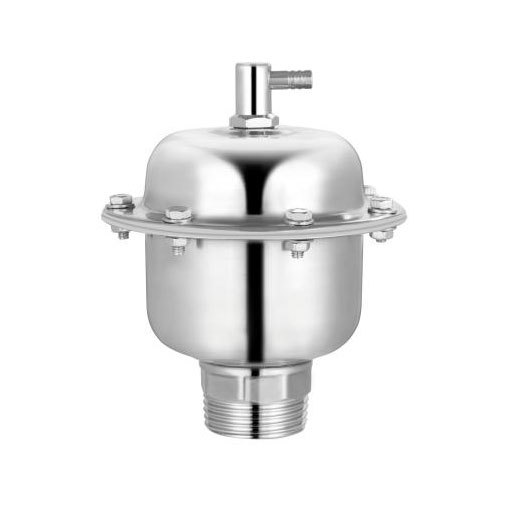
A Comprehensive Guide to Stainless Steel Exhaust Valves for Industry
2026-07-29
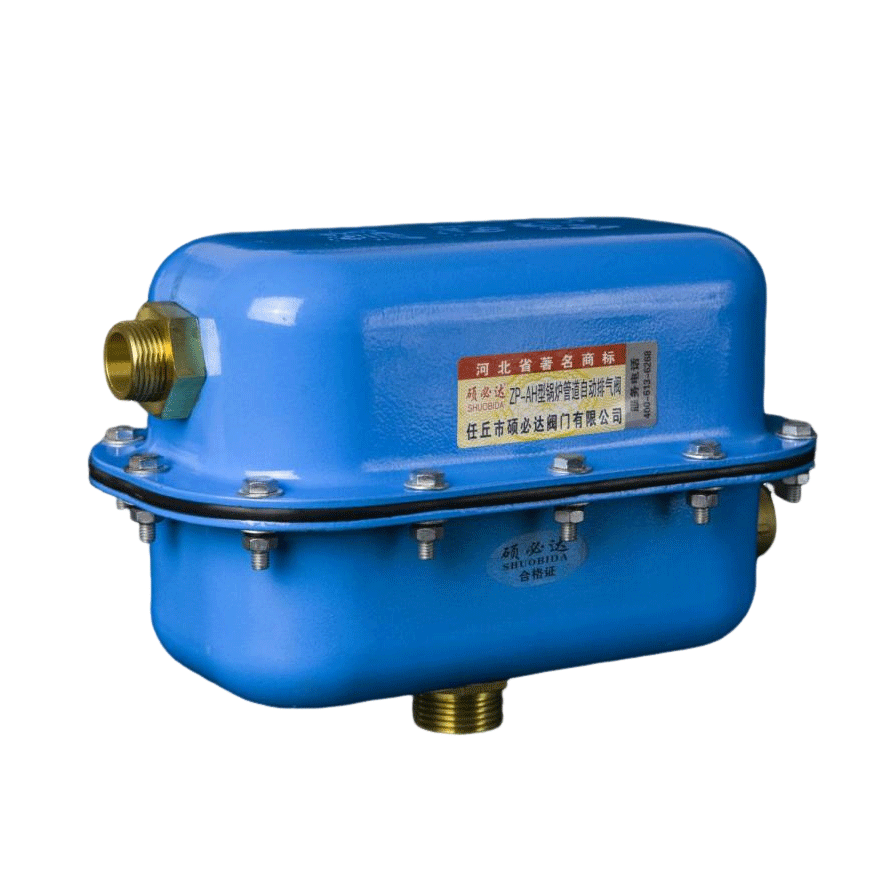
Understanding the Importance of Boiler Exhaust Valves in Industrial Applications
2026-07-27
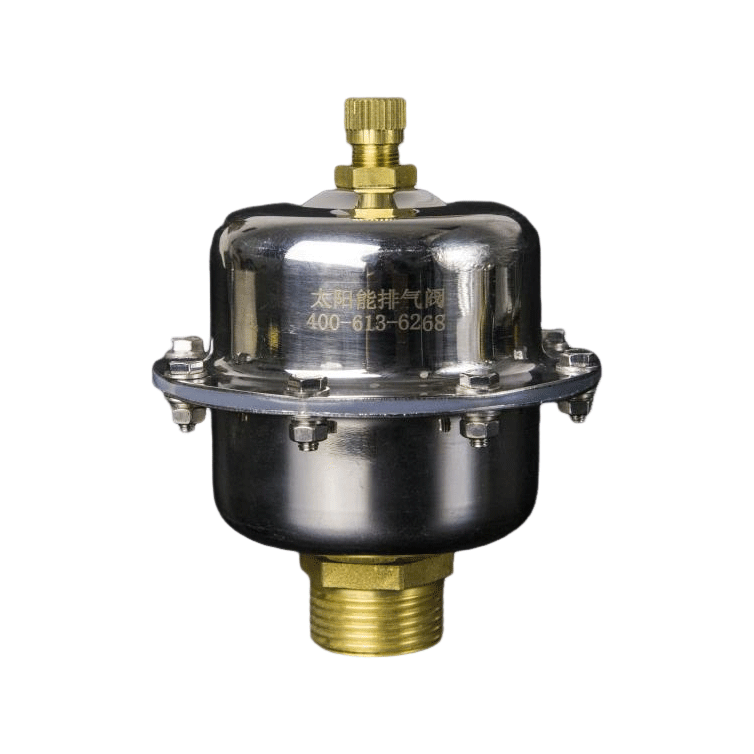
Exploring the Latest Technologies in Solar Exhaust Valves: A Comprehensive Guide
2026-07-25
CONTACT US
You can email us
24-Hour Consultation Hotline
Head office Address
Renhekou Village, Beixinzhuang Town, Renqiu City, Hebei Province

Please tell us what you need
Our engineers will contact you within 12 hours and provide free proposal and quotation.