Understanding the Benefits and Applications of 304 Stainless Steel Exhaust Valves
2026-07-23
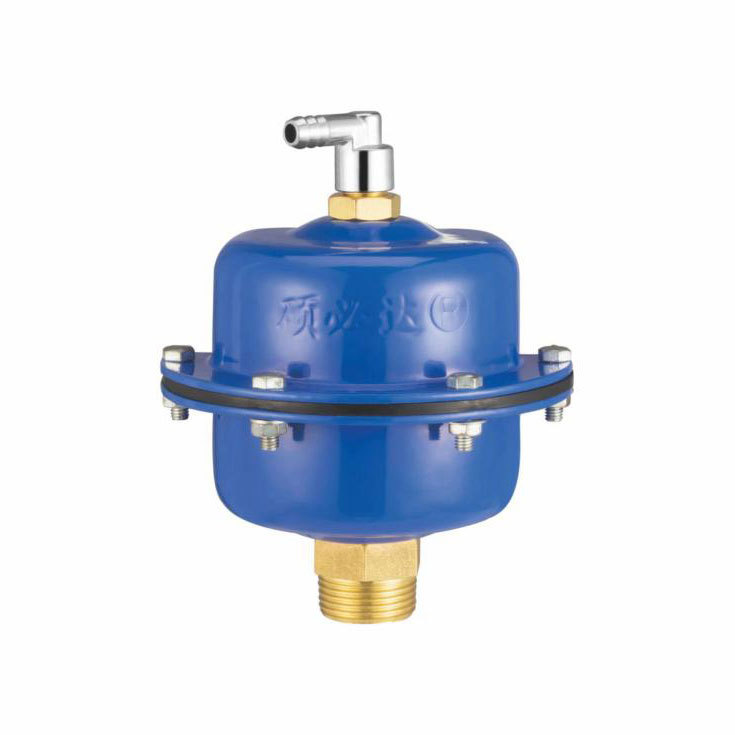
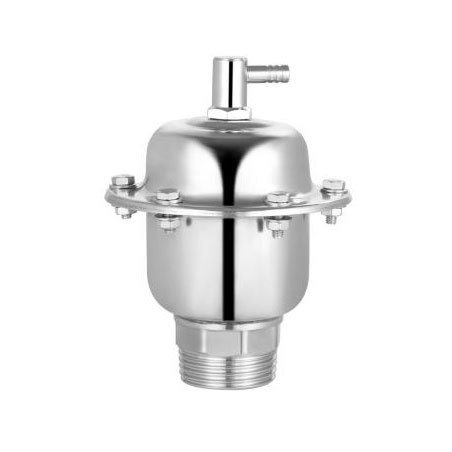
304 stainless steel exhaust valves are widely recognized in the industrial sector for their durability, corrosion resistance, and versatility. These valves are instrumental in controlling the flow of exhaust gases, making them a critical component in various applications, from automotive systems to industrial machinery.
One of the primary advantages of using 304 stainless steel for exhaust valves
304 stainless steel exhaust valves are widely recognized in the industrial sector for their durability, corrosion resistance, and versatility. These valves are instrumental in controlling the flow of exhaust gases, making them a critical component in various applications, from automotive systems to industrial machinery.
One of the primary advantages of using 304 stainless steel for exhaust valves is its excellent resistance to corrosion. This material is particularly advantageous in environments where exposure to harsh chemicals or high temperatures is common. The chromium and nickel content in 304 stainless steel enhances its ability to withstand oxidation and pitting, ensuring a longer lifespan compared to valves made from other materials.
In addition to corrosion resistance, 304 stainless steel exhaust valves are known for their mechanical strength and durability. They can maintain their structural integrity under various pressure conditions, making them suitable for high-performance applications. This durability is especially important in industrial settings where equipment is subjected to rigorous operating conditions.
The versatility of 304 stainless steel valves allows for a wide range of applications. They are commonly used in exhaust systems of internal combustion engines, where precise control over exhaust flow is essential for optimal performance and emissions management. Additionally, they find their place in HVAC systems, chemical processing plants, and power generation facilities, where efficient gas flow control is critical to operational efficiency.
When selecting 304 stainless steel exhaust valves, it is important to consider the specific requirements of your application. Factors such as temperature, pressure, and the type of media being handled can influence the performance of the valve. Proper selection ensures that the valve operates effectively and contributes to the overall efficiency of the system.
Maintenance of these valves is relatively straightforward, given their robust design and corrosion-resistant properties. Regular inspection and cleaning can help mitigate any potential buildup of particulates, ensuring the valve operates smoothly and reliably over time.
In conclusion, 304 stainless steel exhaust valves are an excellent choice for various industrial applications due to their corrosion resistance, mechanical strength, and versatility. Understanding their properties and applications can help you make informed decisions when selecting valves for your systems, ultimately enhancing efficiency and performance in your operations.
One of the primary advantages of using 304 stainless steel for exhaust valves is its excellent resistance to corrosion. This material is particularly advantageous in environments where exposure to harsh chemicals or high temperatures is common. The chromium and nickel content in 304 stainless steel enhances its ability to withstand oxidation and pitting, ensuring a longer lifespan compared to valves made from other materials.
In addition to corrosion resistance, 304 stainless steel exhaust valves are known for their mechanical strength and durability. They can maintain their structural integrity under various pressure conditions, making them suitable for high-performance applications. This durability is especially important in industrial settings where equipment is subjected to rigorous operating conditions.
The versatility of 304 stainless steel valves allows for a wide range of applications. They are commonly used in exhaust systems of internal combustion engines, where precise control over exhaust flow is essential for optimal performance and emissions management. Additionally, they find their place in HVAC systems, chemical processing plants, and power generation facilities, where efficient gas flow control is critical to operational efficiency.
When selecting 304 stainless steel exhaust valves, it is important to consider the specific requirements of your application. Factors such as temperature, pressure, and the type of media being handled can influence the performance of the valve. Proper selection ensures that the valve operates effectively and contributes to the overall efficiency of the system.
Maintenance of these valves is relatively straightforward, given their robust design and corrosion-resistant properties. Regular inspection and cleaning can help mitigate any potential buildup of particulates, ensuring the valve operates smoothly and reliably over time.
In conclusion, 304 stainless steel exhaust valves are an excellent choice for various industrial applications due to their corrosion resistance, mechanical strength, and versatility. Understanding their properties and applications can help you make informed decisions when selecting valves for your systems, ultimately enhancing efficiency and performance in your operations.
304 Stainless Steel Exhaust Valve
Related information
Understanding the Benefits and Applications of 304 Stainless Steel Exhaust Valves
304 stainless steel exhaust valves are widely recognized in the industrial sector for their durability, corrosion resistance, and versatility. These valves are instrumental in controlling the flow of exhaust gases, making them a critical component in various applications, from automotive systems to industrial machinery.
One of the primary advantages of using 304 stainless steel for exhaust valves
2026-07-23
Selecting High-Quality Exhaust Valves for Hot Water Applications: A Comprehensive Guide
Table of Contents
1. Introduction to Exhaust Valves in Hot Water Applications
2. Understanding Exhaust Valves: Function and Importance
3. Types of Exhaust Valves for Hot Water Systems
3.1 Manual Exhaust Valves
3.2 Automatic Exhaust Valves
3.3 Pressure Re
2026-07-21
Enhancing Efficiency with Quick Intake and Exhaust Automatic Exhaust Valves
In the realm of industrial equipment and components, the quick intake and exhaust automatic exhaust valve stands out as a critical device designed to enhance operational efficiency. These valves are specifically engineered to manage the flow of gases and fluids, ensuring that systems run smoothly and effectively. By incorporating such valves, industries can significantly improve performance and re
2026-07-19
English
Russian