
 English
 Russian
Selecting High-Quality Exhaust Valves for Hot Water Applications: A Comprehensive Guide
2026-07-21
Selecting High-Quality Exhaust Valves for Hot Water Applications: A Comprehensive Guide
Table of Contents
- 1. Introduction to Exhaust Valves in Hot Water Applications
- 2. Understanding Exhaust Valves: Function and Importance
- 3. Types of Exhaust Valves for Hot Water Systems
- 4. Key Factors for Selecting High-Quality Exhaust Valves
- 4.1 Material Selection: The Backbone of Durability
- 4.2 Pressure and Temperature Ratings
- 4.3 Regulatory Compliance and Industry Standards
- 5. Installation and Maintenance of Exhaust Valves
- 6. Common Issues and Troubleshooting
- 7. Expert Tips for Choosing the Right Valve
- 8. Conclusion
- 9. Frequently Asked Questions (FAQs)
1. Introduction to Exhaust Valves in Hot Water Applications
Selecting the right exhaust valve is crucial for any hot water application. These components play a vital role in maintaining system efficiency and safety. Exhaust valves help in releasing excess pressure and preventing system failure, ensuring optimal performance across various heating systems. Understanding the intricacies of these valves can significantly enhance your heating operation.
2. Understanding Exhaust Valves: Function and Importance
Exhaust valves operate as mechanisms for controlling the release of gases or liquids from pressurized systems. In hot water applications, they serve several critical functions:
- **Pressure Relief**: They help in releasing excess pressure generated during heating, preventing potential hazards.
- **Temperature Regulation**: By allowing steam and gas to escape, they help maintain desired temperatures within the system.
- **System Safety**: Properly functioning exhaust valves enhance overall safety by minimizing risks associated with over-pressure scenarios.
Understanding these functions is essential when selecting high-quality valves tailored for specific applications.
3. Types of Exhaust Valves for Hot Water Systems
Choosing the right type of exhaust valve is fundamental to achieving optimal system performance. Here are the main types used in hot water applications:
3.1 Manual Exhaust Valves
Manual exhaust valves are operated by hand and are often used in systems where regular monitoring is feasible. These valves offer precise control over system pressure and temperature when adjusted correctly.
3.2 Automatic Exhaust Valves
Automatic valves are designed to operate without manual intervention, making them ideal for systems requiring continuous monitoring. They activate based on preset pressure levels, ensuring consistent performance.
3.3 Pressure Relief Valves
Pressure relief valves are critical safety devices designed to limit pressure within hot water systems. They automatically vent excess pressure, preventing potential damage to the system.
4. Key Factors for Selecting High-Quality Exhaust Valves
When selecting exhaust valves for hot water applications, several key factors should be prioritized to ensure you get the best quality available.
4.1 Material Selection: The Backbone of Durability
The material used in the construction of exhaust valves significantly impacts their performance and longevity. Common materials include:
- **Brass**: Known for its corrosion resistance and durability.
- **Stainless Steel**: Offers superior strength and is ideal for high-temperature applications.
- **Plastic**: Lightweight and cost-effective, suitable for low-pressure systems.
Choosing the right material based on your specific application is crucial for long-term reliability.
4.2 Pressure and Temperature Ratings
Every exhaust valve comes with specified pressure and temperature ratings. It’s essential to select valves that can withstand the maximum expected pressure and temperature in your system to avoid premature failure.
4.3 Regulatory Compliance and Industry Standards
Ensure that the valves you choose comply with industry standards and regulations. Compliance with organizations such as the American Society of Mechanical Engineers (ASME) or the American National Standards Institute (ANSI) is critical for safety and performance.
5. Installation and Maintenance of Exhaust Valves
Correct installation and regular maintenance are vital for ensuring the longevity and efficiency of exhaust valves.
5.1 Best Installation Techniques
Proper installation techniques include:
- **Follow Manufacturer Guidelines**: Always adhere to the instructions provided by the manufacturer for specific installation methods.
- **Use Appropriate Tools**: Utilize the right tools to avoid damaging the valve during installation.
- **Check for Leaks**: After installation, check for any leaks to ensure the valve is functioning correctly.
5.2 Maintenance Tips for Longevity
Regular maintenance helps ensure reliability. Tips include:
- **Routine Inspections**: Regularly check valves for signs of wear or malfunction.
- **Cleaning**: Keep valves clean to prevent buildup that can hinder performance.
- **Replace Worn Parts**: Timely replacement of parts can extend the life of the valve.
6. Common Issues and Troubleshooting
Even the best exhaust valves may encounter issues. Common problems include:
- **Leaking**: Often caused by worn seals or improper installation.
- **Sticking**: Can happen due to debris buildup.
- **Pressure Fluctuations**: May indicate a malfunctioning pressure relief valve.
Understanding these issues can help in prompt troubleshooting and maintain system efficiency.
7. Expert Tips for Choosing the Right Valve
To ensure the best selection for your hot water application, consider the following expert tips:
- **Assess System Requirements**: Evaluate your specific hot water system’s needs before making a selection.
- **Consult Professionals**: Seek advice from professionals or manufacturers for tailored recommendations.
- **Consider Future Needs**: Anticipate any future changes in your system that may require different valve specifications.
8. Conclusion
Selecting high-quality exhaust valves for hot water applications is a critical decision that impacts system safety and performance. By understanding the various types, key factors in selection, proper installation and maintenance practices, and common issues, you can ensure a reliable and efficient heating system. Investing time in selecting the right exhaust valves will yield long-term benefits, enhancing both safety and functionality in your hot water applications.
9. Frequently Asked Questions (FAQs)
**Q1: How often should exhaust valves be inspected?**
A1: It is advisable to inspect exhaust valves at least once a year to ensure they are functioning correctly.
**Q2: Can I use the same exhaust valve for different applications?**
A2: It is not recommended. Each application may have different pressure and temperature requirements that necessitate specific valve types.
**Q3: What are the signs of a failing exhaust valve?**
A3: Common signs include leaks, unusual noises, and pressure fluctuations in the system.
**Q4: Are automatic exhaust valves more efficient than manual ones?**
A4: Yes, automatic valves provide continuous monitoring and control, making them more efficient in many applications.
**Q5: What materials are best for high-temperature hot water applications?**
A5: Stainless steel is typically the best choice for high-temperature applications due to its excellent resistance to heat and corrosion.
Hot water engineering exhaust valve
Related information
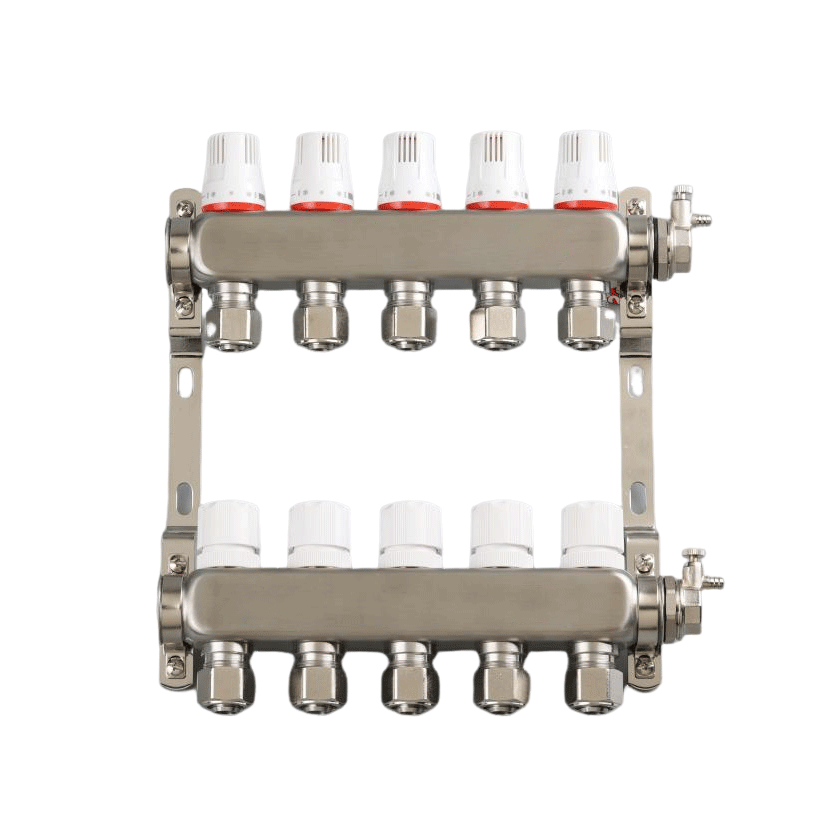
Selecting High-Quality Exhaust Valves for Hot Water Applications: A Comprehensive Guide
2026-07-21
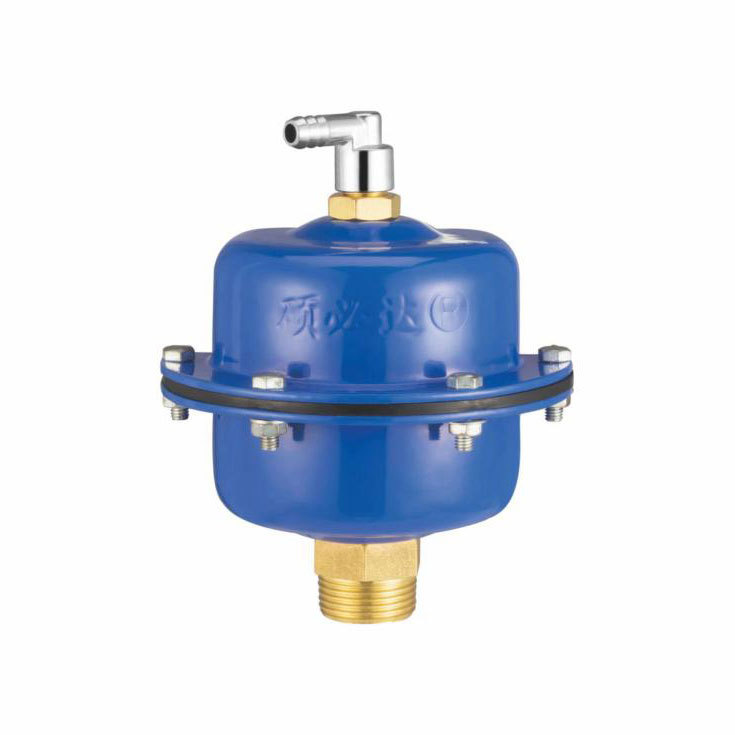
Enhancing Efficiency with Quick Intake and Exhaust Automatic Exhaust Valves
2026-07-19
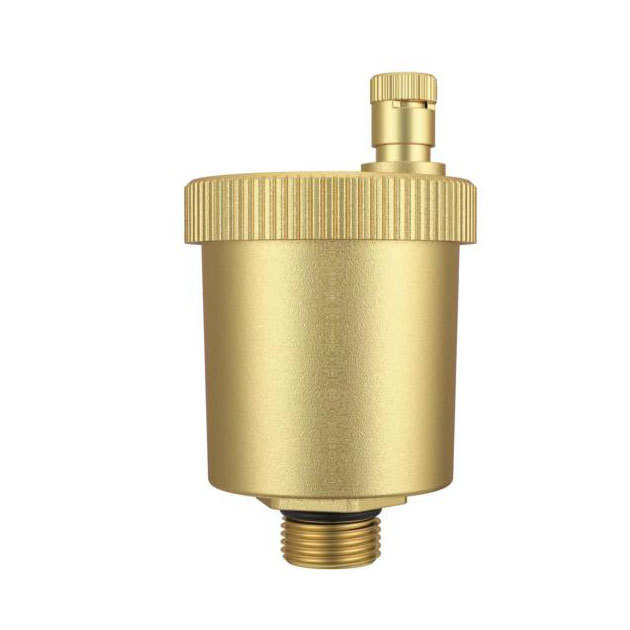
Innovations in Automatic Air Release Valve Technology for Enhanced Efficiency
2026-07-17
CONTACT US
You can email us
24-Hour Consultation Hotline
Head office Address
Renhekou Village, Beixinzhuang Town, Renqiu City, Hebei Province

Please tell us what you need
Our engineers will contact you within 12 hours and provide free proposal and quotation.