
 English
 Russian
Innovations in Automatic Air Release Valve Technology for Enhanced Efficiency
2026-07-17
Innovations in Automatic Air Release Valve Technology for Enhanced Efficiency
Table of Contents
- 1. Introduction to Automatic Air Release Valves
- 2. Importance of Efficient Air Release Systems
- 3. Recent Innovations in Air Release Valve Technology
- 4. Benefits of Advanced Automatic Air Release Valves
- 5. Applications in Various Industries
- 6. Challenges in Current Valve Technologies
- 7. Future Trends and Developments
- 8. Frequently Asked Questions
- 9. Conclusion
1. Introduction to Automatic Air Release Valves
Automatic air release valves are essential components in fluid control systems. They are specifically designed to eliminate trapped air from pipelines and tanks, thereby improving efficiency in fluid transport systems. These valves allow air to escape while preventing liquid from exiting, ensuring optimal operation of hydraulic and pneumatic systems.
In industrial environments, even small amounts of air can lead to inefficiencies, such as reduced flow rates, increased energy consumption, and potential damage to equipment. As industries evolve, the need for more sophisticated air release solutions becomes apparent, leading to recent innovations that enhance both functionality and reliability.
2. Importance of Efficient Air Release Systems
Efficient air release systems play a pivotal role in the smooth operation of various industrial processes. Below are some key reasons why optimizing air release valves is crucial:
2.1 Enhanced Efficiency
By removing air from pipelines, these valves ensure that the fluid flow is uninterrupted, leading to improved system efficiency. This optimization translates into reduced energy consumption and lower operational costs.
2.2 Equipment Longevity
Trapped air can cause cavitation, leading to significant wear and tear on pumps and other components. Advanced air release valves mitigate this risk, thereby extending the lifespan of equipment.
2.3 Safety Improvements
Air pockets can create dangerous pressure buildups within systems. Advanced automatic air release valves minimize this risk, ensuring a safer work environment.
3. Recent Innovations in Air Release Valve Technology
Recent advancements in air release valve technology have introduced several innovative features designed to enhance performance and reliability. Here are some notable innovations:
3.1 Smart Technology Integration
Many manufacturers are now incorporating smart technology into air release valves. These valves can be monitored remotely, providing real-time data on performance metrics such as pressure and flow rates. This integration allows for predictive maintenance, which can significantly reduce downtime.
3.2 Self-Cleaning Mechanisms
Innovative designs now include self-cleaning features that prevent the buildup of debris and contaminants. This improvement ensures consistent performance without the need for frequent manual maintenance.
3.3 Materials and Design Enhancements
The development of advanced materials, such as corrosion-resistant alloys and composites, has led to valves that are more durable and reliable. Furthermore, aerodynamic designs minimize flow resistance, enhancing overall efficiency.
3.4 Energy Recovery Systems
Some modern air release valves are designed with energy recovery systems that harness the energy released during air expulsion. This feature converts wasted energy into usable power, further enhancing system efficiency.
4. Benefits of Advanced Automatic Air Release Valves
As industries adopt these advanced air release valve technologies, they experience numerous benefits:
4.1 Cost Savings
By improving system efficiency, companies can significantly reduce their energy costs. Lower maintenance requirements also contribute to overall cost savings.
4.2 Improved System Reliability
The use of smart technologies and durable materials ensures that automatic air release valves operate reliably over extended periods, minimizing the risk of system failures.
4.3 Enhanced Performance
Innovative valve designs lead to smoother fluid flow and reduced turbulence, improving overall system performance. This can result in higher productivity levels across various applications.
4.4 Environmental Sustainability
Efficiency improvements contribute to reduced energy consumption, leading to lower carbon emissions. Adopting advanced valve technologies aligns with global sustainability goals.
5. Applications in Various Industries
Automatic air release valves find applications across a wide range of industries. Here are some key sectors where these innovations are making a significant impact:
5.1 Water and Wastewater Treatment
In water treatment facilities, air release valves ensure that systems operate efficiently, preventing air-related issues that can disrupt processes.
5.2 Oil and Gas
In the oil and gas industry, these valves help maintain the integrity of pipelines by preventing air pockets that can lead to dangerous pressure fluctuations.
5.4 HVAC Systems
In heating, ventilation, and air conditioning (HVAC) systems, automatic air release valves enhance efficiency by maintaining optimal fluid flow, resulting in better temperature control.
5.5 Agricultural Irrigation
Automated air release valves are being implemented in irrigation systems to ensure that air pockets do not hinder water flow, promoting effective crop irrigation.
5.6 Manufacturing Processes
In manufacturing, these valves contribute to more reliable fluid control, which is crucial for maintaining production efficiency.
6. Challenges in Current Valve Technologies
Despite the advancements, several challenges persist in the development and implementation of automatic air release valves:
6.1 Cost of Implementation
High initial costs for advanced air release valve systems can deter some companies from adopting new technologies, despite their long-term benefits.
6.2 Technical Complexity
As valves become more sophisticated, the technical knowledge required for installation and maintenance increases, potentially leading to reliance on specialized personnel.
6.3 Compatibility Issues
Integrating new air release valve technologies with existing systems can sometimes present compatibility challenges that need to be addressed.
7. Future Trends and Developments
The future of automatic air release valve technology is promising, with several trends expected to shape its evolution:
7.1 Increased Connectivity
The trend toward the Internet of Things (IoT) means greater connectivity and integration of air release valves with broader industrial automation systems, allowing for seamless data exchange.
7.2 Enhanced Design Flexibility
Future designs are likely to provide increased flexibility in terms of size and functionality to meet diverse application requirements.
7.3 Sustainable Practices
As industries push for sustainability, the focus will shift towards developing eco-friendly materials and processes in air release valve manufacturing.
8. Frequently Asked Questions
8.1 What is an automatic air release valve?
An automatic air release valve is a device used in fluid systems to allow trapped air to escape while preventing liquid from exiting, ensuring smooth fluid flow.
8.2 How do automatic air release valves improve efficiency?
By removing air from pipelines, these valves enhance fluid flow, reduce energy consumption, and minimize equipment wear and tear.
8.3 What industries benefit most from air release valve technology?
Industries such as water treatment, oil and gas, HVAC, agriculture, and manufacturing significantly benefit from advanced air release valve technologies.
8.4 Are automatic air release valves expensive to maintain?
While initial costs can be high, advanced air release valves often require less frequent maintenance, leading to overall cost savings in the long run.
8.5 What are the future trends in air release valve technology?
Future trends include increased connectivity with IoT systems, enhanced design flexibility, and a focus on sustainability in manufacturing practices.
9. Conclusion
The evolution of automatic air release valve technology marks a significant advancement in the quest for greater efficiency in industrial operations. By embracing innovations such as smart technology integration, self-cleaning mechanisms, and advanced materials, industries can optimize their fluid systems for enhanced performance and reliability. As we look to the future, staying ahead of trends and embracing sustainable practices will be key to maximizing the benefits of these critical components. Adopting these innovations not only leads to cost savings but also supports a safer and more efficient operational environment.
Automatic air release valve
Related information
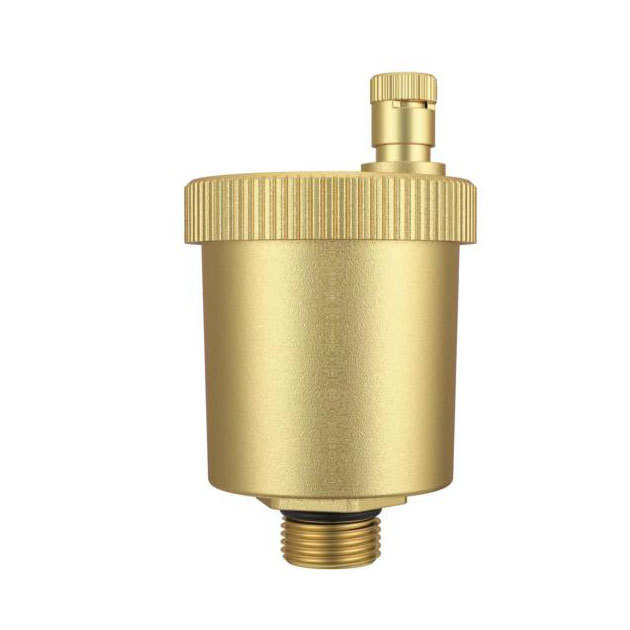
Innovations in Automatic Air Release Valve Technology for Enhanced Efficiency
2026-07-17
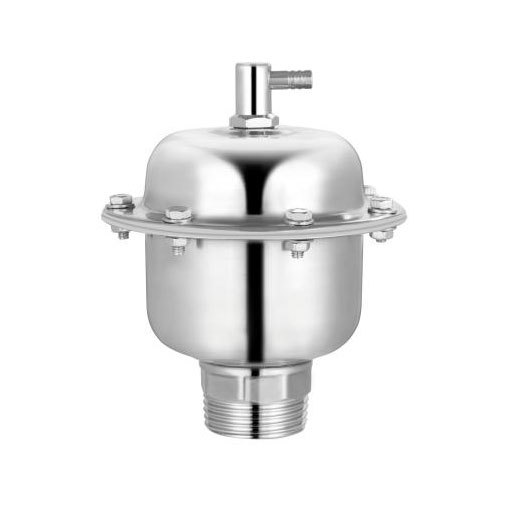
Optimizing Performance with Stainless Steel Exhaust Valves in Industrial Applications
2026-07-15
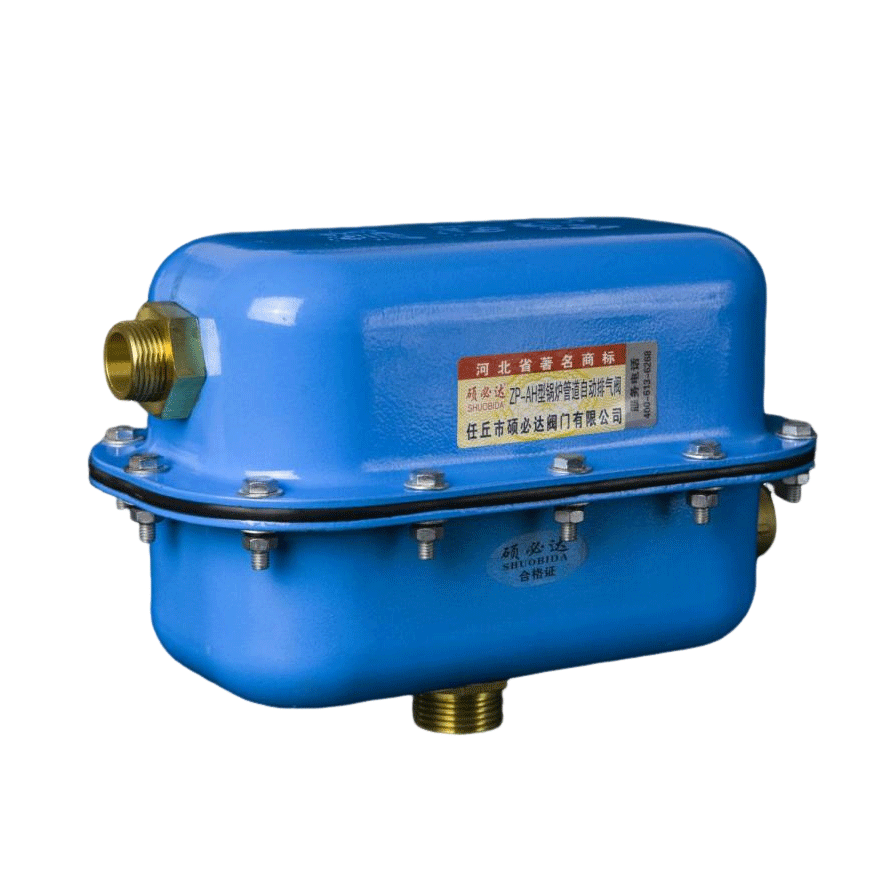
Enhancing Safety in Industrial Settings with Proper Boiler Exhaust Valve Use
2026-07-13
CONTACT US
You can email us
24-Hour Consultation Hotline
Head office Address
Renhekou Village, Beixinzhuang Town, Renqiu City, Hebei Province

Please tell us what you need
Our engineers will contact you within 12 hours and provide free proposal and quotation.