
 English
 Russian
The Essential Role of Automatic Air Release Valves in Optimizing System Performance
2026-06-19
The Essential Role of Automatic Air Release Valves in Optimizing System Performance
Table of Contents
- 1. Introduction to Automatic Air Release Valves
- 2. Understanding the Functionality of Air Release Valves
- 3. Importance of Air Release Valves in Industrial Systems
- 4. Enhancing Operational Efficiency with Automatic Air Release Valves
- 5. Preventing System Damage and Failures
- 6. Installation Best Practices for Air Release Valves
- 7. Maintenance Tips for Optimal Performance
- 8. Common Issues and Troubleshooting Tips
- 9. Conclusion
- 10. FAQs
1. Introduction to Automatic Air Release Valves
Automatic air release valves play a crucial role in maintaining the integrity and efficiency of fluid systems. These components are essential in various industrial applications, including water distribution, HVAC systems, and petrochemical processes. As systems operate, they can accumulate air pockets, which can lead to inefficiencies, increased wear, and potential failures. Understanding the function and importance of these valves can dramatically improve overall system performance.
2. Understanding the Functionality of Air Release Valves
Automatic air release valves are designed to allow trapped air to escape from a fluid system without letting the liquid out. When air accumulates in a pipeline, it can lead to several issues, including reduced flow rates and increased energy consumption. The primary functions of these valves are:
2.1 Mechanism of Action
When the pressure in the pipeline reaches a certain level, the air release valve opens automatically to let the trapped air escape. As soon as the air is released and the pressure stabilizes, the valve closes back, ensuring that the system continues to function effectively.
2.2 Types of Air Release Valves
There are several types of automatic air release valves, including:
- **Single orifice valves**: These are the most common and allow for the escape of air and gas but not liquid.
- **Double orifice valves**: These valves can handle larger volumes of air and offer enhanced performance for systems with high air accumulation.
3. Importance of Air Release Valves in Industrial Systems
The importance of air release valves goes beyond just releasing trapped air; they are pivotal in ensuring optimal system functionality. Here are some critical reasons why these valves are essential:
3.1 Enhancing System Efficiency
By removing air pockets, automatic air release valves ensure that the fluid flows smoothly, reducing resistance. This improvement in flow efficiency can lead to significant energy savings and lower operational costs.
3.2 Reducing Maintenance Costs
By preventing air-related issues, these valves can help reduce the frequency of maintenance and repair work, translating to lower costs and extended system life.
3.3 Ensuring Safety
Trapped air can pose safety risks, including pressure surges and potential blowouts. Automatic air release valves help manage these risks by maintaining stable pressure levels within the system.
4. Enhancing Operational Efficiency with Automatic Air Release Valves
Installing automatic air release valves can directly enhance the operational efficiency of various systems.
4.1 Improved Flow Dynamics
The elimination of trapped air enhances the dynamics of fluid flow, ensuring consistent pressure and volume delivery, which is critical in applications like irrigation and chemical processing.
4.2 Energy Conservation
Minimizing energy losses due to inefficient flow reduces the operational costs related to pumps and other equipment, contributing to a more sustainable and cost-effective operation.
5. Preventing System Damage and Failures
The accumulation of air can lead to several detrimental effects on systems, including:
5.1 Cavitation
Air pockets can cause cavitation in pumps, leading to severe damage and reduced lifespan of the equipment. Automatic air release valves mitigate this risk by ensuring that air is continuously vented from the system.
5.2 Pipe Stress and Failure
Air can create pressure surges that stress pipes and fittings, leading to leaks or catastrophic failures. Regularly venting air helps maintain stable pressure, significantly reducing the potential for structural damage.
6. Installation Best Practices for Air Release Valves
Proper installation of automatic air release valves is vital for optimal performance. Here are some best practices:
6.1 Location
Position valves at high points in the pipeline where air is likely to accumulate. This placement ensures effective air removal.
6.2 Sizing Considerations
Select the correct valve size based on the system's flow rate and pressure conditions. Oversized or undersized valves can lead to inefficiencies.
6.3 Orientation
Ensure that the valves are installed in the correct orientation, as specified by the manufacturer, to guarantee effective operation.
7. Maintenance Tips for Optimal Performance
Regular maintenance is essential to the longevity and performance of automatic air release valves. Consider the following tips:
7.1 Regular Inspections
Conduct routine inspections to check for any blockages or signs of wear. Early detection of issues can prevent costly repairs.
7.2 Cleaning
Keep the valves clean from debris and buildup, which can hinder their functionality.
7.3 Testing
Perform periodic testing to ensure that the valves operate as intended. This practice helps in spotting potential problems before they escalate.
8. Common Issues and Troubleshooting Tips
Understanding common issues related to automatic air release valves can help maintain optimal system performance.
8.1 Valve Leakage
If a valve is leaking, inspect the seals and joints for damage. Tightening or replacing seals may be necessary.
8.2 Inconsistent Operation
If the valve fails to operate consistently, check for blockages that could prevent proper function. Cleaning or replacing the valve may be required.
8.3 Air Accumulation Despite Valve Presence
If air is still accumulating, it may indicate that the valve is not appropriately sized or positioned. Re-evaluate the installation to ensure it meets system requirements.
9. Conclusion
Automatic air release valves are indispensable components for any fluid system. They play a vital role in enhancing system performance, preventing damage, and reducing costs. By understanding the importance, functionality, and best practices associated with these valves, industrial professionals can significantly improve their operations. Regular maintenance and strategic installation will ensure that these valves continue to contribute to system efficiency and longevity, making them a critical investment for any industrial setup.
10. FAQs
What is an automatic air release valve?
An automatic air release valve is a device designed to release trapped air from fluid systems to ensure efficient operation and prevent issues such as cavitation and pressure surges.
How do automatic air release valves work?
These valves operate automatically to open and vent air when pressure builds up in the system, and they close when the air is expelled, allowing the system to function optimally.
Why are air release valves important?
They prevent air accumulation, which can lead to inefficiencies, increased energy consumption, and potential system damage.
How often should air release valves be maintained?
Regular inspections should be conducted at least annually, but inspections may need to be more frequent depending on system conditions.
What are the signs of a failing air release valve?
Signs may include leaks, inconsistent operation, or continued air accumulation in the system, indicating that the valve may need servicing or replacement.
Automatic air release valve
Related information
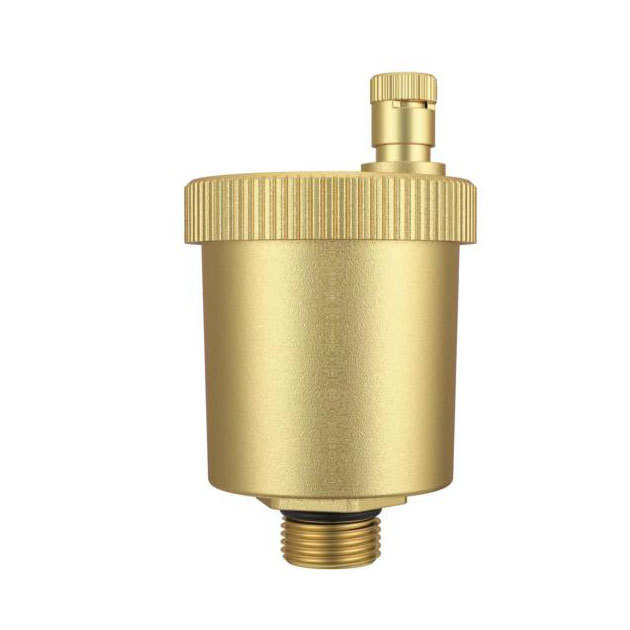
The Essential Role of Automatic Air Release Valves in Optimizing System Performance
2026-06-19
The Essential Guide to Stainless Steel Exhaust Valves: Benefits and Applications
2026-06-17
How to Select the Best Boiler Exhaust Valve for Your Operations
2026-06-14
CONTACT US
You can email us
24-Hour Consultation Hotline
Head office Address
Renhekou Village, Beixinzhuang Town, Renqiu City, Hebei Province

Please tell us what you need
Our engineers will contact you within 12 hours and provide free proposal and quotation.