
 English
 Russian
How to Select the Best Boiler Exhaust Valve for Your Operations
2026-06-14
How to Select the Best Boiler Exhaust Valve for Your Operations
Table of Contents
- 1. Introduction to Boiler Exhaust Valves
- 2. Understanding Boiler Exhaust Valves
- 3. The Importance of Boiler Exhaust Valves in Operations
- 4. Key Factors to Consider When Selecting Boiler Exhaust Valves
- 4.1 Valve Types
- 4.2 Materials
- 4.3 Sizing
- 4.4 Pressure Rating
- 4.5 Environmental Conditions
- 4.6 Maintenance Requirements
- 5. Installation Guidelines for Boiler Exhaust Valves
- 6. Common Mistakes to Avoid When Selecting a Valve
- 7. Maintaining Your Boiler Exhaust Valve
- 8. Conclusion
- 9. Frequently Asked Questions (FAQs)
1. Introduction to Boiler Exhaust Valves
In industrial operations, the efficiency and safety of boiler systems play a crucial role. One vital component of this system is the **boiler exhaust valve**. This article aims to provide you with an in-depth understanding of boiler exhaust valves, their importance, and the various factors to consider when selecting the best valve for your operational needs.
2. Understanding Boiler Exhaust Valves
Boiler exhaust valves are designed to regulate the flow of exhaust gases from a boiler system. They play a critical role in ensuring that gases are safely expelled from the boiler while maintaining optimal performance levels. Various types of valves are available, each designed for specific applications within industrial settings. Understanding these differences is essential in making an informed decision.
3. The Importance of Boiler Exhaust Valves in Operations
The significance of boiler exhaust valves cannot be overstated. These valves ensure that exhaust gases do not leak into the working environment, which could pose serious health and safety risks. Furthermore, they help to maintain the efficiency of the boiler by ensuring proper airflow, which is a critical aspect of combustion processes. The right valve can lead to reduced operational costs, enhanced safety, and improved productivity.
4. Key Factors to Consider When Selecting Boiler Exhaust Valves
When selecting a boiler exhaust valve, several critical factors must be taken into account to ensure optimal performance and safety.
4.1 Valve Types
There are several types of boiler exhaust valves, including:
- **Globe Valves**: These valves provide excellent throttling capabilities and are suitable for applications requiring precise control over flow rates.
- **Ball Valves**: Known for their durability and low-pressure drop, ball valves are ideal for applications where quick shutoff is necessary.
- **Butterfly Valves**: These valves are lightweight and compact, making them suitable for large-diameter applications.
Choosing the right type depends on your specific operational requirements and preferences.
4.2 Materials
The material of the valve significantly impacts its durability and performance. Common materials include:
- **Cast Iron**: Cost-effective and resistant to corrosion, suitable for moderate pressure applications.
- **Stainless Steel**: Offers superior corrosion resistance and longevity, making it ideal for high-pressure and high-temperature applications.
- **Bronze**: Provides good corrosion resistance and is often used in specialized applications.
Select a material that aligns with your operational environment and the chemicals involved in the process.
4.3 Sizing
Proper sizing of the boiler exhaust valve is crucial for ensuring efficient operation. An incorrectly sized valve can lead to excessive pressure drops, inefficient flow, and potential system failures. To determine the right size, consider factors such as the flow rate, pressure, and temperature of the exhaust gases.
4.4 Pressure Rating
The pressure rating of a valve indicates its ability to withstand specific pressure levels without failing. It’s essential to choose a valve with a pressure rating that exceeds the maximum pressure your system will experience. This ensures safety and reliability under normal operating conditions.
4.5 Environmental Conditions
The operational environment also influences the selection of a boiler exhaust valve. Factors such as temperature, humidity, and exposure to corrosive substances must be considered. Ensure that the chosen valve is rated for the environmental conditions within your facility.
4.6 Maintenance Requirements
Regular maintenance is vital to prolonging the life of any valve. Some valves require more frequent maintenance than others, depending on their design and materials. Consider selecting a valve that is easy to maintain and offers clear guidelines for upkeep.
5. Installation Guidelines for Boiler Exhaust Valves
Proper installation of boiler exhaust valves is necessary for ensuring optimal performance. Follow these guidelines to ensure a successful installation:
- **Align the Valve Properly**: Ensure that the valve is aligned with the piping to prevent undue stress.
- **Use Gaskets and Sealants**: Employ appropriate gaskets and sealants to prevent leaks.
- **Secure Fastenings**: Use the correct tools and techniques to secure the valve to the piping system.
- **Test for Leaks**: After installation, conduct thorough testing to ensure that the valve operates without leaks.
Adhering to these guidelines will promote safe and efficient operation.
6. Common Mistakes to Avoid When Selecting a Valve
Selecting the wrong boiler exhaust valve can lead to costly downtime and repairs. Here are common mistakes to avoid:
- **Ignoring Specifications**: Always adhere to the manufacturer's specifications for flow rate, pressure, and temperature.
- **Overlooking Maintenance Needs**: Select a valve that fits your maintenance capability and schedule.
- **Choosing Based on Cost Alone**: While budget is important, prioritize quality and compatibility over initial costs.
Avoiding these pitfalls will enhance the longevity and efficiency of your operations.
7. Maintaining Your Boiler Exhaust Valve
Proper maintenance can significantly extend the life of your boiler exhaust valve and ensure optimal performance. Follow these maintenance tips:
- **Regular Inspections**: Conduct routine checks for wear and tear, leaks, and any signs of corrosion.
- **Routine Cleaning**: Keep the valve clean from debris and contaminants that may affect performance.
- **Replace Worn Parts**: Address any worn or damaged components immediately to prevent further issues.
Regular maintenance not only helps in extending the lifespan of the valve but also enhances overall system efficiency.
8. Conclusion
Selecting the right boiler exhaust valve is crucial for ensuring the efficiency, safety, and longevity of your operations. By understanding the types of valves available, considering the necessary factors such as materials, sizing, and maintenance, and avoiding common mistakes, you can make an informed decision that benefits your industrial processes. Proper installation and maintenance further enhance performance, leading to improved operational outcomes and reduced risks.
9. Frequently Asked Questions (FAQs)
**Q1: What is a boiler exhaust valve?**
A boiler exhaust valve regulates the flow of exhaust gases from a boiler system, ensuring safety and efficiency during operation.
**Q2: How do I know what size valve to select?**
To determine the right size, consider the flow rate, pressure, and temperature of the exhaust gases in your system.
**Q3: What materials are best for boiler exhaust valves?**
Common materials include cast iron, stainless steel, and bronze. The best choice depends on your specific operational conditions.
**Q4: How often should boiler exhaust valves be maintained?**
Regular inspections should be conducted based on manufacturer recommendations, typically ranging from monthly to quarterly.
**Q5: Can the wrong valve selection affect boiler performance?**
Yes, selecting an incorrectly sized or inappropriate valve can lead to inefficiencies, excessive pressure drops, and potential system failures.
By following this comprehensive guide, you will be well-equipped to select the best boiler exhaust valve tailored to your specific operational needs, ensuring both safety and efficiency in your industrial environment.
Boiler exhaust valve
Related information
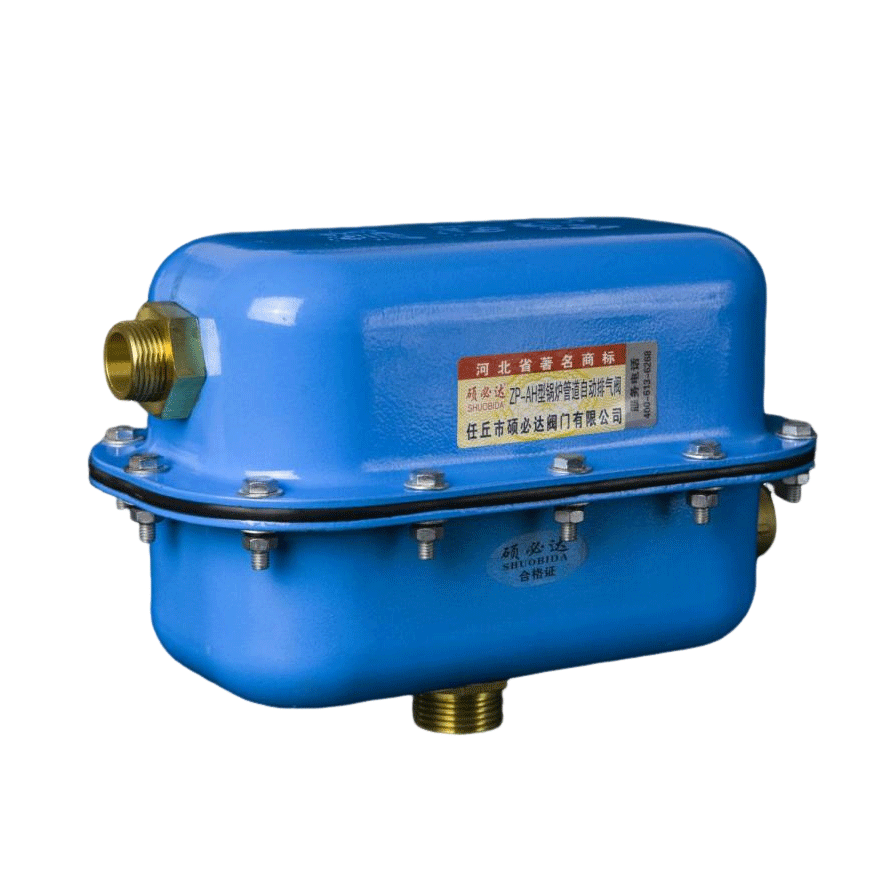
How to Select the Best Boiler Exhaust Valve for Your Operations
2026-06-14
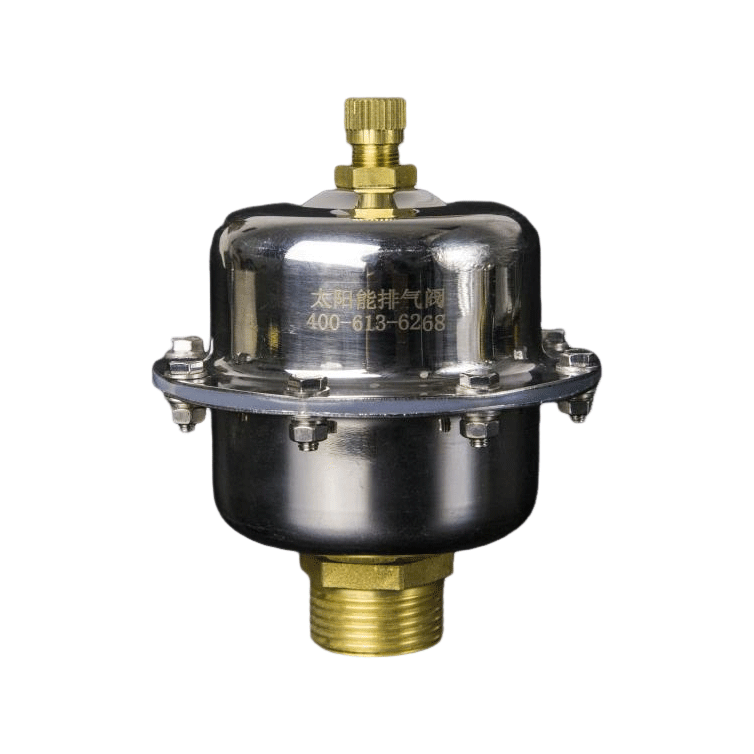
Understanding Solar Exhaust Valves: Essential Components for Efficient Air Management
2026-06-12
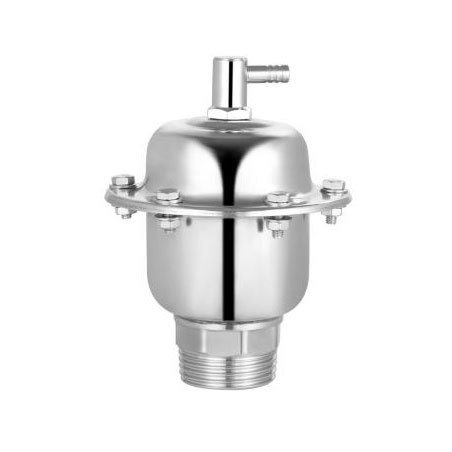
The Critical Role of Quality in 304 Stainless Steel Exhaust Valves for Industrial Applications
2026-06-10
CONTACT US
You can email us
24-Hour Consultation Hotline
Head office Address
Renhekou Village, Beixinzhuang Town, Renqiu City, Hebei Province

Please tell us what you need
Our engineers will contact you within 12 hours and provide free proposal and quotation.