
 English
 Russian
The Critical Role of Quality in 304 Stainless Steel Exhaust Valves for Industrial Applications
2026-06-10
The Critical Role of Quality in 304 Stainless Steel Exhaust Valves for Industrial Applications
Table of Contents
- Introduction to 304 Stainless Steel Exhaust Valves
- The Importance of Quality in Industrial Applications
- Understanding 304 Stainless Steel
- Key Performance Characteristics
- Applications of 304 Stainless Steel Exhaust Valves
- Choosing the Right Valve: Factors to Consider
- Maintenance Tips and Lifespan of Valves
- Frequently Asked Questions
- Conclusion: Ensuring Quality for Optimal Performance
Introduction to 304 Stainless Steel Exhaust Valves
In the realm of industrial machinery, **304 stainless steel exhaust valves** play an indispensable role. They serve as critical components that regulate the flow of gases, ensuring efficient operation and safety. Industries ranging from automotive to manufacturing rely on these valves to perform under high pressure and temperature conditions. The emphasis on **quality** in these components cannot be overstated; it directly affects not only the efficiency of the machinery but also its longevity and reliability.
The Importance of Quality in Industrial Applications
Quality is paramount when it comes to **304 stainless steel exhaust valves**. A high-quality valve minimizes the risk of failure, which can lead to costly downtime and repairs. When selecting these valves, consider the following aspects:
1. Performance Reliability
A quality valve ensures that the system operates as intended, providing consistent and dependable performance. This reliability is crucial in industries where any failure can halt production and incur significant financial losses.
2. Safety Considerations
High-quality valves are essential for maintaining safety standards in industrial operations. Inferior valves can lead to leaks or catastrophic failures, posing risks to both personnel and equipment.
3. Cost-Efficiency
Investing in **high-quality exhaust valves** may seem costly upfront, but it pays off in the long run. Reduced maintenance, fewer repairs, and increased efficiency contribute to overall cost savings.
Understanding 304 Stainless Steel
**304 stainless steel** is a popular choice for exhaust valves due to its excellent corrosion resistance and mechanical properties. Here are some reasons why it is preferred:
1. Corrosion Resistance
304 stainless steel offers remarkable resistance to a wide range of corrosive environments, making it ideal for exhaust applications where exposure to harsh substances is common.
2. Mechanical Properties
This material exhibits high tensile strength and durability, allowing valves to withstand extreme temperatures and pressures without deforming or failing.
3. Versatility
The versatility of 304 stainless steel allows for a variety of designs and configurations to suit specific industrial needs, further enhancing its appeal.
Key Performance Characteristics
When evaluating **304 stainless steel exhaust valves**, several performance characteristics should be analyzed:
1. Temperature Tolerance
These valves can operate effectively within a broad temperature range, ensuring functionality even in extreme conditions.
2. Pressure Ratings
Quality valves are designed to handle high-pressure scenarios, making them suitable for demanding industrial applications.
3. Flow Efficiency
A well-designed exhaust valve optimizes flow, minimizing resistance and enhancing overall system efficiency.
Applications of 304 Stainless Steel Exhaust Valves
**304 stainless steel exhaust valves** are utilized in various industries, including:
1. Automotive Industry
In automotive applications, these valves control exhaust flow, contributing to engine efficiency and performance.
2. Oil and Gas
In the oil and gas sector, high-quality valves are crucial for managing the flow of gases and liquids safely.
3. Power Generation
Power plants rely on these valves to control emissions and optimize energy output, highlighting their importance in environmental management.
Choosing the Right Valve: Factors to Consider
Selecting the appropriate **304 stainless steel exhaust valve** involves several critical factors:
1. Application Requirements
Consider the specific requirements of your application, including temperature, pressure, and media compatibility.
2. Certification and Standards
Ensure the valves meet industry standards and certifications, which are indicative of their quality and performance capabilities.
3. Manufacturer Reputation
Opt for valves from reputable manufacturers known for producing high-quality products to guarantee reliability and performance.
Maintenance Tips and Lifespan of Valves
Proper maintenance can extend the lifespan of **304 stainless steel exhaust valves**. Here are some key maintenance tips:
1. Regular Inspections
Conduct routine inspections to identify wear and tear early, preventing unexpected failures.
2. Cleaning
Keep valves clean to ensure optimal performance. This includes removing any debris or buildup that could impede function.
3. Lubrication
Apply appropriate lubricants to moving parts to reduce friction and wear, enhancing valve longevity.
Frequently Asked Questions
1. What is the lifespan of a 304 stainless steel exhaust valve?
The lifespan varies based on environmental conditions and usage, but high-quality valves can last several years with proper maintenance.
2. How do I know if I need to replace my exhaust valve?
Signs of wear, such as leaks, unusual noises, or reduced performance, typically indicate it’s time for replacement.
3. Are there different grades of stainless steel exhaust valves?
Yes, there are several grades, but 304 stainless steel is among the most commonly used for its balance of strength and corrosion resistance.
4. Can I use a 304 stainless steel exhaust valve in a corrosive environment?
While 304 stainless steel offers good corrosion resistance, for extremely corrosive environments, consider other grades like 316 stainless steel.
5. Where can I purchase high-quality 304 stainless steel exhaust valves?
Look for reputable industrial suppliers or manufacturers specializing in high-quality valve production.
Conclusion: Ensuring Quality for Optimal Performance
The significance of quality in **304 stainless steel exhaust valves** cannot be overstated. These valves are integral to the efficiency and safety of industrial operations. By understanding their properties, applications, and maintenance needs, industries can make informed decisions that enhance performance and longevity. Investing in quality valves not only ensures a more efficient operation but also contributes to significant cost savings in the long run. Prioritize quality today to secure the success of your industrial processes.
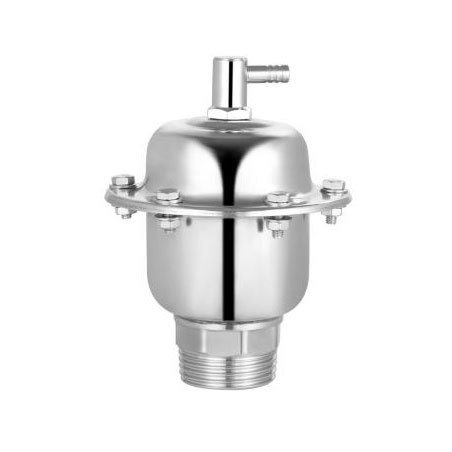
304 Stainless Steel Exhaust Valve
Related information
The Critical Role of Quality in 304 Stainless Steel Exhaust Valves for Industrial Applications
2026-06-10
Understanding Hot Water Engineering Exhaust Valves: A Comprehensive Guide
2026-06-08
Choosing the Right Automatic Exhaust Valve for Your Industrial Needs: A Comprehensive Guide
2026-06-06
CONTACT US
You can email us
24-Hour Consultation Hotline
Head office Address
Renhekou Village, Beixinzhuang Town, Renqiu City, Hebei Province

Please tell us what you need
Our engineers will contact you within 12 hours and provide free proposal and quotation.