
 English
 Russian
Troubleshooting Common Issues with Automatic Air Release Valves: A Comprehensive Guide
2026-05-21
Troubleshooting Common Issues with Automatic Air Release Valves
Introduction: Understanding Automatic Air Release Valves
Automatic air release valves play a critical role in fluid systems, allowing for the efficient expulsion of trapped air while preventing the ingress of contaminants. Understanding how these valves operate is essential for troubleshooting common issues effectively. In this article, we delve into the typical problems associated with automatic air release valves and how to resolve them.
1. Importance of Automatic Air Release Valves in Industrial Applications
Automatic air release valves are vital components in various industrial applications. They help maintain system efficiency by ensuring that air pockets do not form in pipelines, which can lead to serious operational issues. These valves are commonly used in:
1.1. Water Distribution Systems
In water distribution, trapped air can cause pressure fluctuations, leading to inefficient water delivery and potential damage to infrastructure.
1.2. HVAC Systems
In heating, ventilation, and air conditioning (HVAC) systems, air entrapment can lead to system inefficiency and increased energy costs.
1.3. Pump Systems
In pump systems, air can hinder performance, leading to cavitation and increased wear on pump components.
2. Common Issues with Automatic Air Release Valves
Despite their importance, automatic air release valves can experience several issues. Understanding these problems is the first step in effective troubleshooting.
2.1. Valve Leakage
Leakage is one of the most common issues encountered. It can result from wear and tear, debris buildup, or improper installation.
2.2. Valve Not Opening
If the valve fails to open, it may be caused by blockages or malfunctioning internal mechanisms.
2.3. Continuous Air Release
Some valves may continuously release air, indicating a potential malfunction or improper sizing for the application.
2.4. Noise Issues
Excessive noise during operation can signal problems with the valve or the surrounding system, often linked to cavitation or improper installation.
2.5. Corrosion and Material Degradation
Corrosion can significantly shorten the lifespan of an automatic air release valve, especially in harsh environments or when incompatible fluids are used.
3. Troubleshooting Steps for Common Issues
Effective troubleshooting requires a systematic approach. Here are the steps to address the most common issues with automatic air release valves.
3.1. Diagnosing Valve Leakage
Start by visually inspecting the valve for any signs of leakage. Common solutions include:
- **Replacing worn seals**: Inspect the seals and replace them if necessary.
- **Cleaning debris**: Remove any debris that may be obstructing the valve's operation.
- **Tightening connections**: Ensure all connections are secure to prevent fluid escape.
3.2. Addressing a Valve That Won’t Open
If the valve fails to open, follow these steps:
1. **Check for Blockages**: Inspect the inlet and outlet ports for blockages.
2. **Inspect Internal Components**: Disassemble the valve to examine the internal mechanism for signs of damage or wear.
3. **Check the Pressure**: Ensure that the system pressure is sufficient for the valve to operate.
3.3. Fixing Continuous Air Release
A valve that continuously releases air may need the following checks:
- **Evaluate Sizing**: Ensure the valve is properly sized for the application.
- **Inspect for Damage**: Look for cracks or defects in the valve body.
- **Check System Design**: Analyze the overall system design for potential air traps.
3.4. Resolving Noise Issues
To address noise problems, consider these factors:
- **Inspect for Cavitation**: Examine the system for cavitation, which can create noise.
- **Evaluate Pipe Configuration**: Ensure that the piping configuration minimizes sharp bends and restrictions.
3.5. Combating Corrosion and Material Degradation
Corrosion can be detrimental to the performance of automatic air release valves. To mitigate this issue:
- **Choose the Right Material**: Select materials compatible with the media being handled.
- **Implement Protective Coatings**: Use coatings to prevent corrosion in aggressive environments.
- **Regular Maintenance**: Schedule frequent inspections and maintenance to catch issues early.
4. Maintenance Tips for Automatic Air Release Valves
Routine maintenance is crucial for the longevity and performance of automatic air release valves. Here are essential maintenance practices:
4.1. Regular Inspections
Schedule regular inspections to identify potential issues before they escalate. Inspect seals, connections, and overall valve condition.
4.2. Cleaning and Debris Removal
Routine cleaning helps prevent blockages and ensures smooth operation. Use appropriate cleaning agents compatible with the valve materials.
4.3. Lubrication
Apply suitable lubricants to moving parts to reduce friction and wear. Follow manufacturer guidelines for the correct type of lubricant.
5. Troubleshooting Tools and Resources
Having the right tools and resources can significantly aid in troubleshooting automatic air release valves.
5.1. Diagnostic Instruments
Invest in diagnostic instruments such as pressure gauges and flow meters to monitor system performance effectively.
5.2. Manufacturer Manuals
Refer to manufacturer manuals for specific troubleshooting procedures tailored to the model of your valve.
5.3. Technical Support
Don’t hesitate to reach out to manufacturers or technical support for expert advice on persistent issues.
6. When to Call a Professional
While many issues can be addressed in-house, some situations may require professional intervention. Consider contacting a professional if:
- You encounter persistent issues despite troubleshooting efforts.
- The valve operates in a critical application where failure could have severe consequences.
- You lack the necessary tools or expertise for complex repairs.
7. Conclusion: Ensuring Optimal Performance of Automatic Air Release Valves
Troubleshooting common issues with automatic air release valves is essential for maintaining efficient industrial operations. By understanding the typical challenges and employing systematic troubleshooting techniques, operators can ensure the valves function smoothly and effectively. Regular maintenance and the right resources will further enhance the longevity and reliability of these critical components. Prioritizing valve health not only improves system performance but also safeguards investments in industrial infrastructure.
Automatic air release valve
Related information
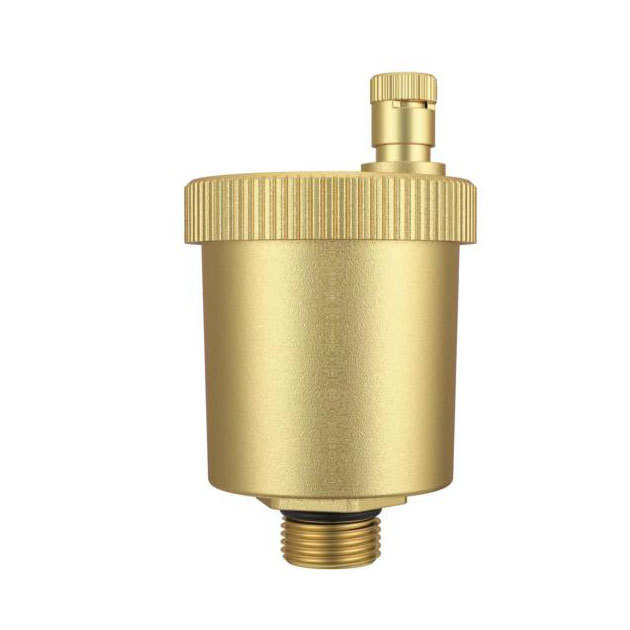
Troubleshooting Common Issues with Automatic Air Release Valves: A Comprehensive Guide
2026-05-21
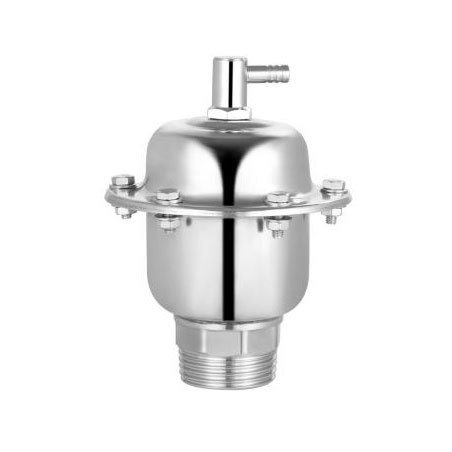
Understanding the Role and Benefits of Stainless Steel Exhaust Valves in Industrial Applications
2026-05-19
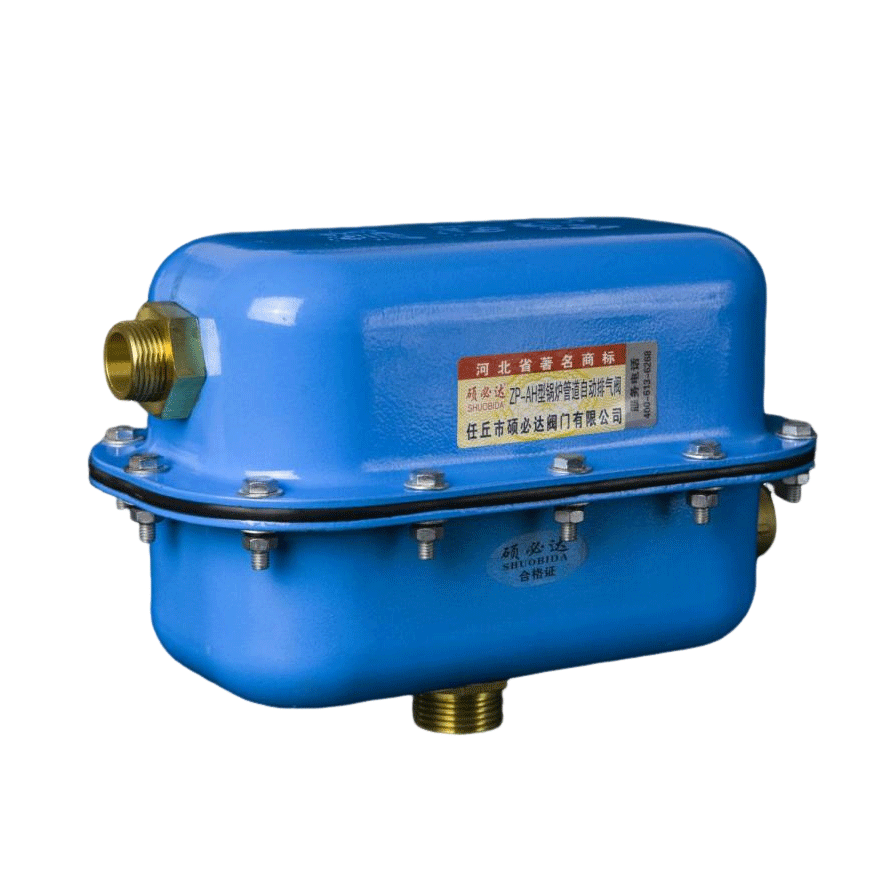
The Impact of Boiler Exhaust Valves on Energy Savings: Unlocking Efficiency in Industrial Systems
2026-05-17
CONTACT US
You can email us
24-Hour Consultation Hotline
Head office Address
Renhekou Village, Beixinzhuang Town, Renqiu City, Hebei Province

Please tell us what you need
Our engineers will contact you within 12 hours and provide free proposal and quotation.