
 English
 Russian
The Impact of Boiler Exhaust Valves on Energy Savings: Unlocking Efficiency in Industrial Systems
2026-05-17
The Impact of Boiler Exhaust Valves on Energy Savings
Introduction to Boiler Exhaust Valves
Boiler exhaust valves are essential components in industrial heating systems, serving as a critical interface between the boiler and the exhaust system. Their primary function is to regulate the flow of flue gases, ensuring optimal combustion efficiency and energy conservation. In this article, we will explore how these valves contribute to energy savings, the technology behind them, and best practices for their implementation in various industrial settings.
Understanding Boiler Systems and Their Components
What is a Boiler?
A boiler is a closed vessel that utilizes fuel sources such as natural gas, oil, or coal to heat water or generate steam for various industrial applications. The efficiency of a boiler largely depends on its design and the components it utilizes, including burners, heat exchangers, and exhaust valves.
The Role of Exhaust Valves in Boiler Systems
Exhaust valves, often referred to as flue gas valves or blow-off valves, are designed to manage the emission of exhaust gases. By controlling the flow of flue gases, these valves play a pivotal role in maintaining the efficiency of the boiler system. Their proper functioning ensures minimal energy loss and compliance with environmental regulations.
How Boiler Exhaust Valves Contribute to Energy Savings
Regulating Flue Gas Flow
One of the primary ways boiler exhaust valves contribute to energy savings is by regulating the flow of flue gases. When these valves are correctly calibrated, they prevent excess gases from escaping into the atmosphere, thereby optimizing fuel usage. This regulation translates directly into energy efficiency, reducing overall operational costs.
Improving Combustion Efficiency
Efficient combustion is crucial for maximizing energy output in boilers. Exhaust valves ensure that the correct amount of air mixes with fuel, facilitating optimal combustion. By maintaining the ideal air-to-fuel ratio, these valves enhance the combustion process, resulting in higher thermal efficiency and reduced fuel consumption.
Minimizing Heat Loss
Boiler exhaust valves also help minimize heat loss from the system. When flue gases are not adequately controlled, they can carry away significant amounts of heat that could otherwise be utilized for heating purposes. By ensuring that exhaust gases are efficiently vented, these valves help retain more heat within the system, improving overall energy savings.
Types of Boiler Exhaust Valves
Manual vs. Automatic Exhaust Valves
Boiler exhaust valves can be classified into two main categories: manual and automatic.
- **Manual exhaust valves** require human intervention to operate, making them suitable for smaller systems or less frequent adjustments.
- **Automatic exhaust valves**, on the other hand, utilize sensors and control systems to adjust the flow of flue gases seamlessly. These are ideal for larger industrial systems where constant monitoring and adjustments are necessary.
Butterfly Valves, Gate Valves, and More
Different types of valves serve varying functions in boiler systems, each with unique advantages:
- **Butterfly valves** are known for their quick operation and minimal pressure drop, making them suitable for regulating flow in large pipes.
- **Gate valves** provide a full flow path when fully open, ensuring minimal turbulence in the exhaust system.
Selecting the right type of valve is essential for maximizing energy savings and operational efficiency.
Best Practices for Boiler Exhaust Valve Maintenance
Regular Inspections and Testing
To ensure optimal performance and energy savings, regular inspections of boiler exhaust valves are crucial. This includes checking for leaks, mechanical wear, and ensuring proper calibration. Routine testing can help identify potential issues before they lead to significant energy losses.
Cleaning and Lubrication
Keeping exhaust valves clean and well-lubricated is essential for their smooth operation. Accumulation of soot or debris can impede valve function, leading to inefficiencies. Establishing a maintenance schedule for cleaning and lubrication can enhance the longevity and performance of the valves.
The Environmental Benefits of Efficient Exhaust Valves
Reducing Carbon Footprint
Efficient boiler exhaust valves not only enhance energy savings but also contribute to environmental sustainability. By minimizing fuel consumption, these valves help reduce greenhouse gas emissions, resulting in a lower carbon footprint for industrial operations.
Compliance with Environmental Regulations
Many industries face stringent regulations regarding emissions. Properly functioning exhaust valves play a crucial role in ensuring compliance with these regulations, thereby avoiding potential fines and promoting a cleaner environment.
Case Studies: Energy Savings Achieved Through Effective Valve Management
Case Study 1: Manufacturing Facility
In a large manufacturing facility, the implementation of automatic boiler exhaust valves resulted in a **20% reduction in fuel consumption** over six months. The facility adopted regular maintenance schedules, leading to significant energy savings and compliance with emission regulations.
Case Study 2: Food Processing Plant
A food processing plant installed butterfly valves to manage flue gases effectively. The results showed a **15% increase in thermal efficiency**, allowing the plant to reduce operating costs significantly while improving product quality.
FAQs About Boiler Exhaust Valves and Energy Savings
1. What is the primary purpose of a boiler exhaust valve?
The primary purpose of a boiler exhaust valve is to regulate the flow of flue gases, optimizing combustion efficiency and minimizing energy loss.
2. How do I know if my exhaust valve needs maintenance?
Signs that your exhaust valve may need maintenance include unusual noises, leaks, or fluctuations in boiler pressure and temperature.
3. What types of fuels can boilers with exhaust valves utilize?
Boilers can utilize various fuels, including natural gas, oil, and coal, depending on the design and specifications of the system.
4. Can I upgrade my existing valves for better efficiency?
Yes, upgrading to more advanced automatic valves can significantly improve efficiency and energy savings in your boiler system.
5. What is the expected lifespan of a boiler exhaust valve?
The lifespan of a boiler exhaust valve varies based on usage and maintenance but typically ranges from 5 to 15 years.
Conclusion
In conclusion, boiler exhaust valves play a vital role in optimizing energy efficiency within industrial systems. By regulating the flow of flue gases, improving combustion efficiency, and minimizing heat loss, these valves facilitate significant energy savings. Additionally, their impact on reducing emissions contributes to environmental sustainability—a crucial consideration in today’s industrial landscape. Through regular maintenance and the adoption of advanced valve technologies, industries can enhance their operational efficiency, reduce costs, and comply with environmental regulations. Investing in the right boiler exhaust valves is not only a smart choice for overall efficiency but also a responsible choice for our planet.
Boiler exhaust valve
Related information
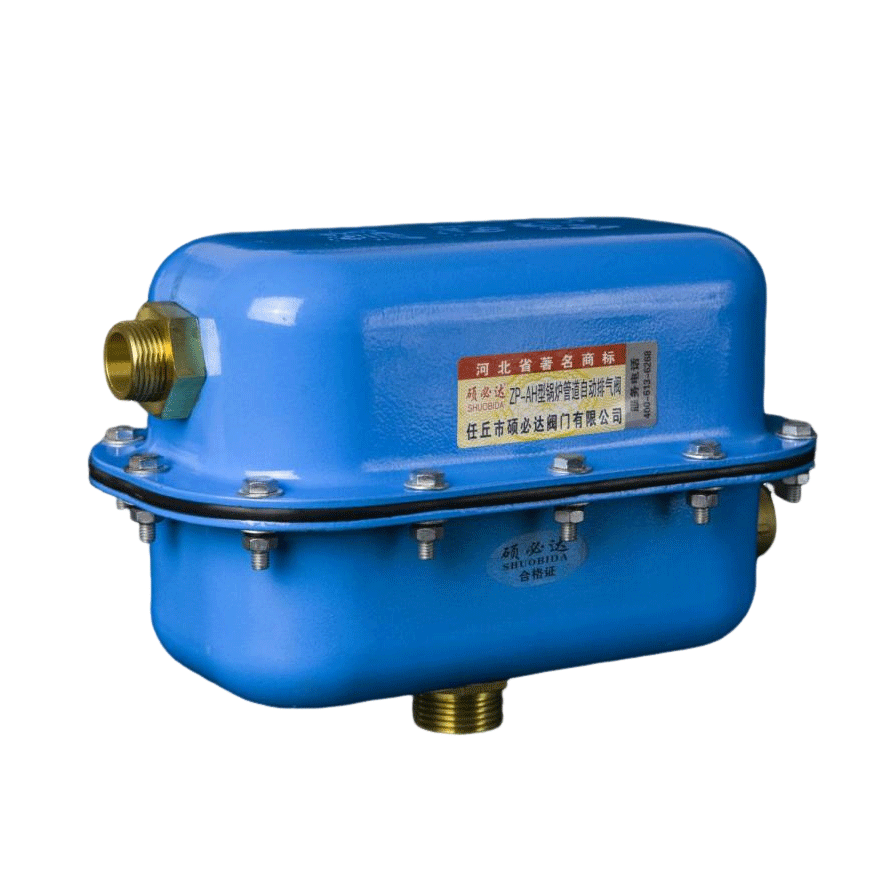
The Impact of Boiler Exhaust Valves on Energy Savings: Unlocking Efficiency in Industrial Systems
2026-05-17
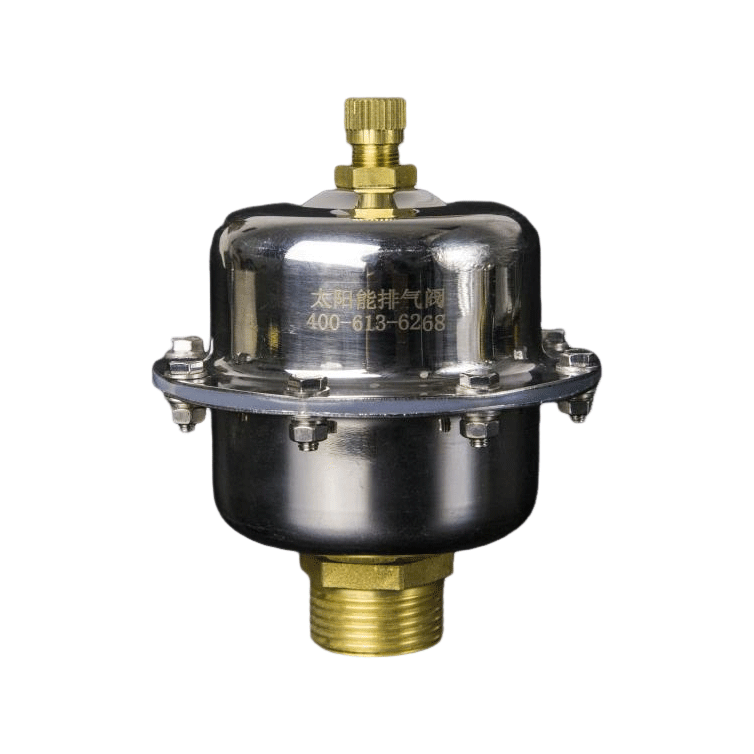
Understanding Solar Exhaust Valves: Key Features and Benefits for Industrial Applications
2026-05-15
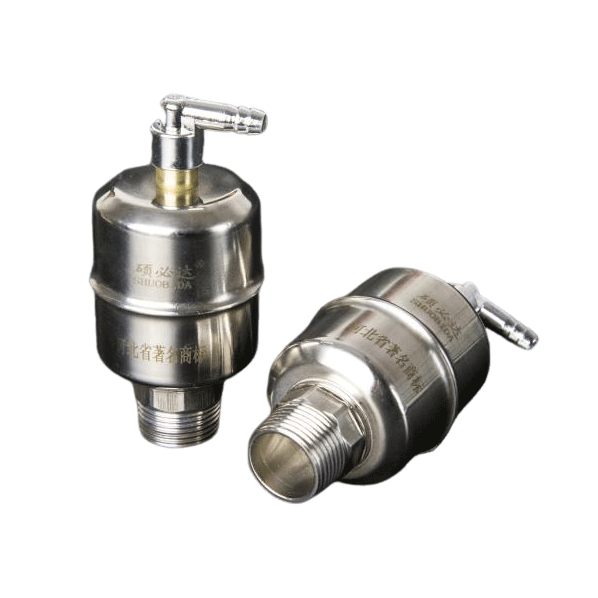
A Comprehensive Comparison of 304 Stainless Steel Exhaust Valves and Alternative Materials
2026-05-13
CONTACT US
You can email us
24-Hour Consultation Hotline
Head office Address
Renhekou Village, Beixinzhuang Town, Renqiu City, Hebei Province

Please tell us what you need
Our engineers will contact you within 12 hours and provide free proposal and quotation.