
 English
 Russian
A Comprehensive Comparison of 304 Stainless Steel Exhaust Valves and Alternative Materials
2026-05-13
A Comprehensive Comparison of 304 Stainless Steel Exhaust Valves and Alternative Materials
Table of Contents
- 1. Introduction to Exhaust Valves and Their Importance
- 2. Material Properties of 304 Stainless Steel
- 3. Advantages of 304 Stainless Steel Exhaust Valves
- 4. Disadvantages of 304 Stainless Steel Exhaust Valves
- 5. Comparison with Other Materials
- 6. Overview of Alternative Materials
- 7. Applications of Exhaust Valves in Different Industries
- 8. Maintenance and Lifespan of Exhaust Valves
- 9. Conclusion
1. Introduction to Exhaust Valves and Their Importance
Exhaust valves play a critical role in various machinery and vehicles, regulating the flow of exhaust gases from engines and other industrial equipment. The effectiveness and durability of these valves significantly depend on the materials used in their construction. In this article, we will conduct an in-depth comparison of **304 stainless steel exhaust valves** and other materials, highlighting their properties, advantages, disadvantages, and applications.
2. Material Properties of 304 Stainless Steel
304 stainless steel is one of the most commonly used materials in various industries for manufacturing exhaust valves. It is an austenitic stainless steel, primarily composed of iron, chromium (18%), and nickel (8%).
Corrosion Resistance
One of the standout properties of 304 stainless steel is its exceptional **corrosion resistance**. This property is essential for exhaust valves as they are often exposed to harsh environments and corrosive gases, which can lead to degradation over time.
Temperature Resistance
304 stainless steel can withstand elevated temperatures up to 870°C (1600°F) in intermittent service and 925°C (1700°F) in continuous service. Its ability to perform under high temperatures contributes significantly to its popularity in exhaust valve manufacturing.
Mechanical Strength
This material also exhibits excellent mechanical strength, which is vital for exhaust valves that experience fluctuating pressures and dynamic forces during operation. The tensile strength of 304 stainless steel is approximately 520 MPa, ensuring reliability and durability.
3. Advantages of 304 Stainless Steel Exhaust Valves
Choosing 304 stainless steel for exhaust valves comes with a multitude of benefits.
Durability
304 stainless steel exhaust valves are known for their durability. They resist wear and tear, making them suitable for high-performance applications where reliability is paramount.
Low Maintenance
The corrosion resistance of 304 stainless steel means these valves require less maintenance compared to those made from lower-quality materials. This factor can save both time and money in the long run.
Versatility
Another advantage is the versatility of 304 stainless steel. It can be easily fabricated into various shapes and sizes, making it adaptable for different applications across multiple industries.
4. Disadvantages of 304 Stainless Steel Exhaust Valves
Despite its numerous advantages, 304 stainless steel does have some drawbacks that must be considered.
Cost
One of the main disadvantages is the cost. 304 stainless steel is more expensive than other materials, which may affect budget constraints for some projects. However, the long-term benefits may outweigh the initial investment.
Stress Corrosion Cracking
Under specific conditions, 304 stainless steel can be susceptible to **stress corrosion cracking**. This phenomenon can occur in high-stress environments, particularly when chloride ions are present.
5. Comparison with Other Materials
When it comes to exhaust valves, several materials are commonly used as alternatives to 304 stainless steel. Each has its unique properties, which makes them suitable for different applications.
6. Overview of Alternative Materials
Carbon Steel
Carbon steel is a popular choice for exhaust valves due to its low cost and good mechanical properties. However, it lacks the corrosion resistance of 304 stainless steel, making it more prone to degradation in corrosive environments.
Alloy Steel
Alloy steels, such as 4130, offer enhanced strength and toughness compared to conventional steels. They are often used in high-performance applications but may not provide the same level of corrosion resistance as 304 stainless steel.
Nickel-Based Alloys
Nickel-based alloys such as Inconel are known for their excellent resistance to oxidation and high temperatures. They are ideal for extreme conditions but come at a significantly higher cost compared to 304 stainless steel.
Plastic and Composite Materials
Plastic and composite materials offer lightweight solutions and are resistant to corrosion. However, they often lack the mechanical strength needed for high-performance applications, making them less suitable for exhaust valves in demanding environments.
7. Applications of Exhaust Valves in Different Industries
Exhaust valves made from 304 stainless steel are used in a variety of industries, including:
Automotive
In the automotive industry, 304 stainless steel exhaust valves are commonly found in high-performance engines. Their durability and resistance to heat and corrosion make them ideal for this application.
Aerospace
The aerospace industry requires materials that can withstand extreme conditions, making 304 stainless steel a popular choice for exhaust valves in aircraft engines.
Marine
In marine applications, 304 stainless steel is favored due to its resistance to saltwater corrosion. These valves are essential in maintaining engine performance in harsh marine environments.
Industrial Machinery
Various industrial machines utilize exhaust valves, where 304 stainless steel is employed for its strength and longevity, ensuring reliable operation in demanding settings.
8. Maintenance and Lifespan of Exhaust Valves
The lifespan of exhaust valves can vary based on the material used and the operating conditions. 304 stainless steel exhaust valves typically exhibit extended lifespans due to their corrosion resistance and mechanical strength.
Regular maintenance, including **inspections and cleaning**, is recommended to ensure optimal performance and longevity.
9. Conclusion
In conclusion, the choice of material for exhaust valves is critical to performance, durability, and longevity. **304 stainless steel exhaust valves** offer numerous advantages, including excellent corrosion resistance, durability, and versatility. However, other materials may be more cost-effective or better suited for specific applications.
Ultimately, understanding the properties of 304 stainless steel and comparing them with alternative materials will enable informed decision-making in selecting the right exhaust valves for your needs. Always consider the specific requirements of your application to ensure optimal performance and longevity.
304 Stainless Steel Exhaust Valve
Related information
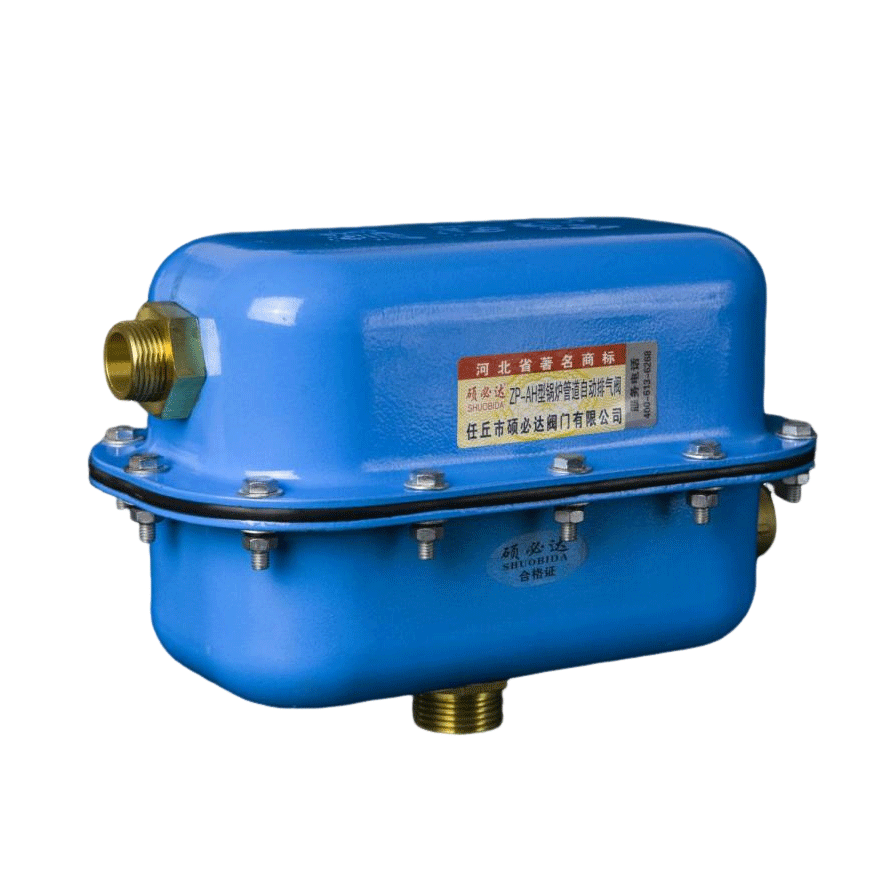
The Impact of Boiler Exhaust Valves on Energy Savings: Unlocking Efficiency in Industrial Systems
2026-05-17
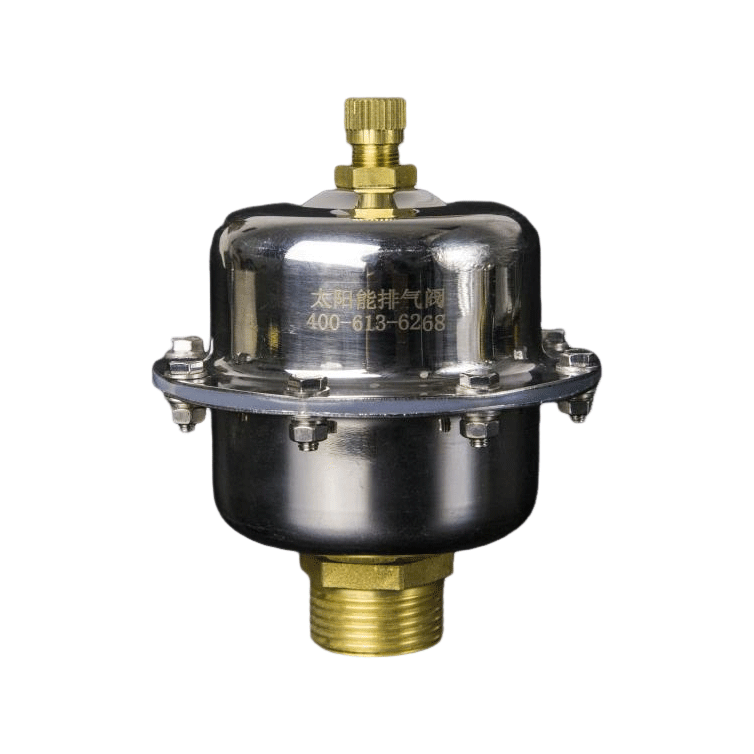
Understanding Solar Exhaust Valves: Key Features and Benefits for Industrial Applications
2026-05-15
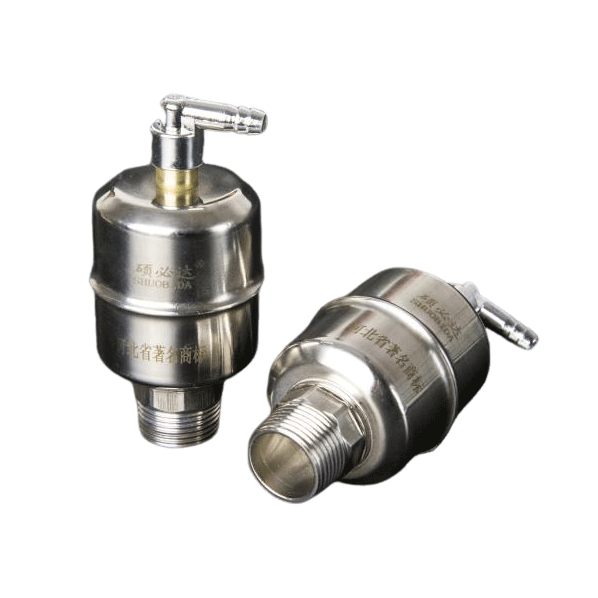
A Comprehensive Comparison of 304 Stainless Steel Exhaust Valves and Alternative Materials
2026-05-13
CONTACT US
You can email us
24-Hour Consultation Hotline
Head office Address
Renhekou Village, Beixinzhuang Town, Renqiu City, Hebei Province

Please tell us what you need
Our engineers will contact you within 12 hours and provide free proposal and quotation.