
 English
 Russian
Quick Intake vs. Traditional Exhaust Valves: Essential Insights for Optimal Performance
2026-05-09
Quick Intake vs. Traditional Exhaust Valves: What You Need to Know
Table of Contents
- 1. Introduction to Valves in Industrial Applications
- 2. Importance of Valves in Equipment Performance
- 3. Types of Valves: Quick Intake vs. Traditional Exhaust
- 4. Design Features of Quick Intake Valves
- 5. Design Features of Traditional Exhaust Valves
- 6. Performance Comparison: Quick Intake vs. Traditional Exhaust
- 7. Applications and Use Cases
- 8. Maintenance Considerations for Valves
- 9. Conclusion: Making the Right Choice
- 10. FAQs
1. Introduction to Valves in Industrial Applications
Valves play a pivotal role in the operation of various industrial systems. They control the flow of fluids, gases, and slurries, making them essential components in a range of applications—from manufacturing and power generation to oil and gas. Among the various types of valves, **Quick Intake** and **Traditional Exhaust** valves are particularly significant due to their unique operational characteristics and performance benefits.
2. Importance of Valves in Equipment Performance
The efficiency and reliability of industrial equipment heavily depend on the type of valves employed. Proper selection not only ensures optimal flow management but also enhances the overall performance of machinery. Quick Intake and Traditional Exhaust valves each offer distinct advantages that can lead to increased production rates, reduced energy consumption, and improved safety standards when applied correctly.
3. Types of Valves: Quick Intake vs. Traditional Exhaust
Understanding the fundamental differences between Quick Intake and Traditional Exhaust valves is crucial for engineers and manufacturers alike.
3.1 Quick Intake Valves
Quick Intake valves are designed for rapid fluid or gas entry into a system. Their primary function is to maximize throughput and minimize pressure loss, making them ideal for applications that require quick responses.
3.2 Traditional Exhaust Valves
Traditional Exhaust valves, on the other hand, are engineered to facilitate the controlled release of gases or fluids from a system. They are critical for maintaining optimal pressure levels and preventing backflow, thus ensuring efficient operation.
4. Design Features of Quick Intake Valves
Quick Intake valves incorporate various design elements that enhance their performance:
4.1 High Flow Capacity
These valves often feature larger openings and streamlined shapes to facilitate rapid flow, reducing restrictions and turbulence.
4.2 Responsive Actuation Mechanisms
Quick Intake valves utilize advanced actuation technologies, such as pneumatic or electric actuators, that enable swift opening and closing, ensuring immediate responsiveness to system demands.
4.3 Durable Materials
Manufactured from robust materials resistant to corrosion and wear, Quick Intake valves can withstand harsh industrial conditions, ensuring long-term reliability.
5. Design Features of Traditional Exhaust Valves
Traditional Exhaust valves focus on control and stability in their design:
5.1 Adjustable Flow Control
These valves often come with adjustable features allowing operators to fine-tune the flow rate, maintaining optimal system pressure and performance.
5.2 Pressure Relief Features
Traditional Exhaust valves are equipped with pressure relief mechanisms that prevent overpressure situations, safeguarding the overall integrity of the system.
5.3 Robust Sealing Mechanisms
To prevent leaks and backflow, these valves utilize advanced sealing technologies, ensuring that exhaust processes operate smoothly without loss of efficiency.
6. Performance Comparison: Quick Intake vs. Traditional Exhaust
A thorough performance comparison can illuminate the strengths and weaknesses of each valve type.
6.1 Efficiency
Quick Intake valves typically offer greater efficiency in applications requiring rapid fluid or gas entry, contributing to enhanced production rates. In contrast, Traditional Exhaust valves excel in scenarios where controlled release and pressure management are crucial.
6.2 Reaction Time
The swift actuation of Quick Intake valves ensures minimal delay in responsiveness, making them suitable for dynamic systems. Traditional Exhaust valves may have slightly slower response times but provide superior control in maintaining system pressure.
6.3 Energy Consumption
Quick Intake valves can lead to reduced energy consumption by optimizing flow rates, whereas Traditional Exhaust valves may require more energy for actuation, particularly in applications involving pressure regulation.
7. Applications and Use Cases
Both Quick Intake and Traditional Exhaust valves find applications across diverse industries:
7.1 Quick Intake Applications
- **Food Processing:** Quick Intake valves enhance throughput in food and beverage production lines.
- **Chemical Manufacturing:** Used to facilitate rapid reactions and mixing processes.
- **HVAC Systems:** Improve airflow efficiency in heating and cooling systems.
7.2 Traditional Exhaust Applications
- **Power Generation:** Control exhaust gases in turbines and generators to maintain safety and efficiency.
- **Automotive Industry:** Manage engine emissions, ensuring compliance with environmental standards.
- **Wastewater Treatment:** Regulate gas release during treatment processes to maintain system integrity.
8. Maintenance Considerations for Valves
Regular maintenance is essential to ensure the longevity and performance of both Quick Intake and Traditional Exhaust valves.
8.1 Inspection Protocols
Routine inspections should be conducted to check for signs of wear, corrosion, or leakage.
8.2 Cleaning and Lubrication
Keeping valves clean and properly lubricated can prevent malfunction and extend their lifespan.
8.3 Replacement Parts
Utilizing manufacturer-recommended replacement parts will help maintain performance and reliability.
9. Conclusion: Making the Right Choice
Choosing between Quick Intake and Traditional Exhaust valves is crucial for optimizing industrial operations. Each valve type has unique strengths tailored to specific applications. By understanding their designs, performance capabilities, and maintenance requirements, engineers and manufacturers can make informed decisions that enhance efficiency, safety, and productivity in their operations.
10. FAQs
1. What is the primary function of Quick Intake valves?
Quick Intake valves are designed to allow rapid entry of fluids or gases into a system, maximizing throughput and minimizing pressure loss.
2. How do Traditional Exhaust valves prevent overpressure?
Traditional Exhaust valves are equipped with pressure relief features that regulate the release of gases, preventing excessive pressure buildup in the system.
3. Can Quick Intake valves be used in all industrial applications?
While Quick Intake valves offer advantages in many scenarios, their suitability depends on the specific requirements of the application, including flow rates and pressure management.
4. What maintenance is required for valves?
Regular inspections, cleaning, lubrication, and timely replacement of worn parts are essential maintenance practices to ensure optimal valve performance.
5. How do I choose the right valve for my application?
Consider the specific operational requirements, including flow rates, pressure levels, and environmental conditions, to determine which valve type best meets your needs.
Quick intake and exhaust automatic exhaust valve
Related information
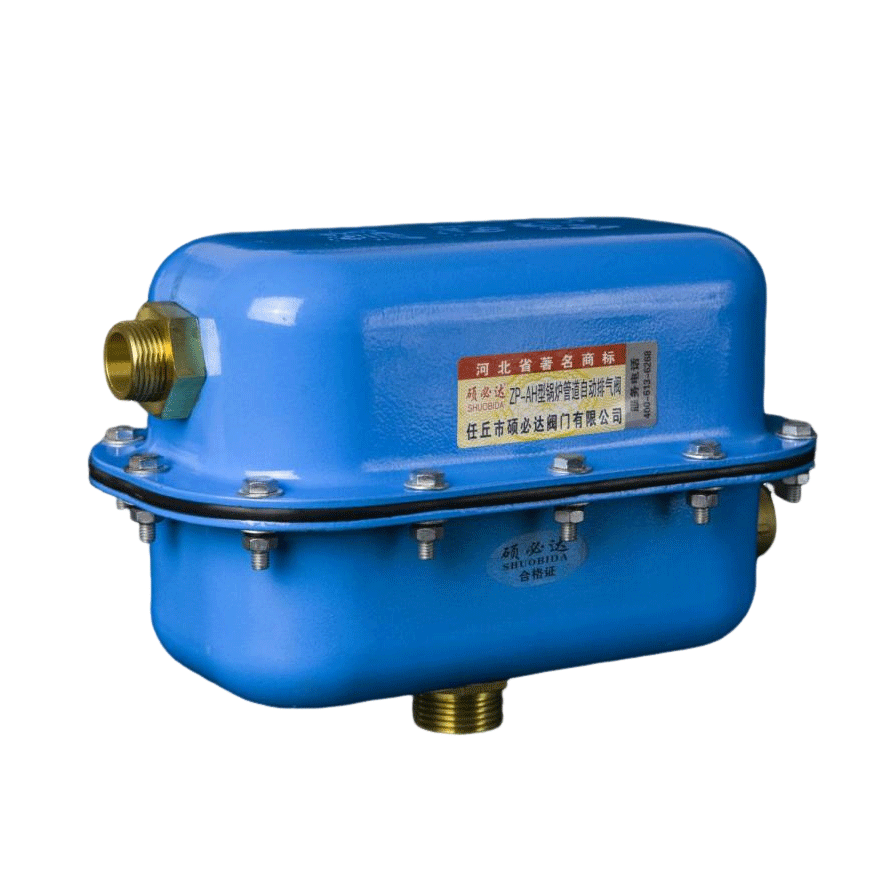
The Impact of Boiler Exhaust Valves on Energy Savings: Unlocking Efficiency in Industrial Systems
2026-05-17
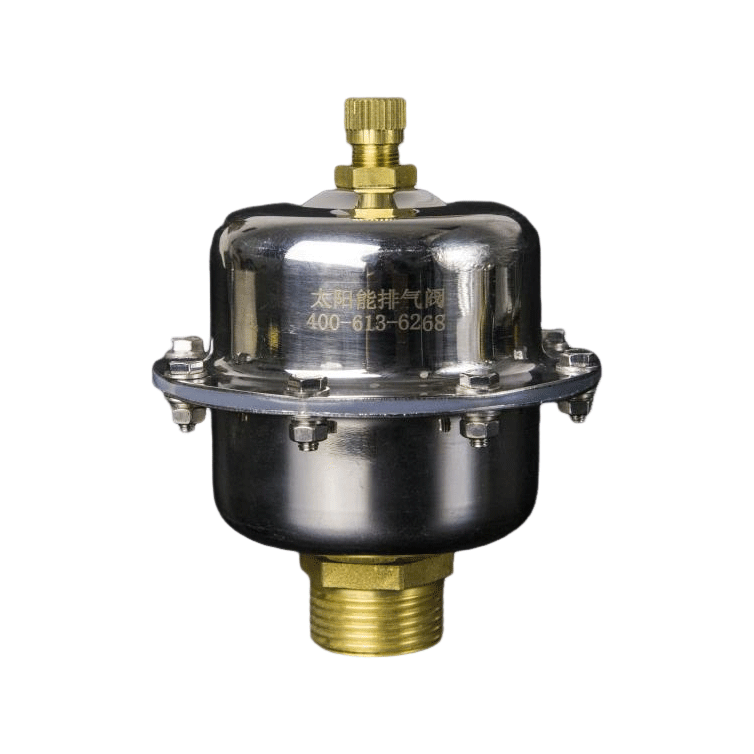
Understanding Solar Exhaust Valves: Key Features and Benefits for Industrial Applications
2026-05-15
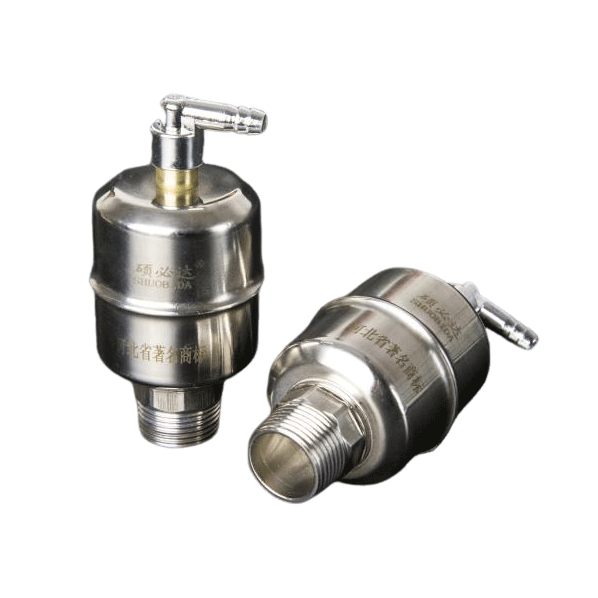
A Comprehensive Comparison of 304 Stainless Steel Exhaust Valves and Alternative Materials
2026-05-13
CONTACT US
You can email us
24-Hour Consultation Hotline
Head office Address
Renhekou Village, Beixinzhuang Town, Renqiu City, Hebei Province

Please tell us what you need
Our engineers will contact you within 12 hours and provide free proposal and quotation.