
 English
 Russian
How to Choose the Right 304 Stainless Steel Exhaust Valve for Optimal Performance
2026-02-27
How to Choose the Right 304 Stainless Steel Exhaust Valve for Optimal Performance
Table of Contents
- 1. Introduction to 304 Stainless Steel Exhaust Valves
- 2. Understanding 304 Stainless Steel
- 3. Types of Exhaust Valves and Their Uses
- 4. Key Factors to Consider When Choosing an Exhaust Valve
- 5. Installation and Maintenance Tips
- 6. Common FAQs About 304 Stainless Steel Exhaust Valves
- 7. Conclusion
1. Introduction to 304 Stainless Steel Exhaust Valves
In the world of industrial machinery, choosing the right components is crucial for optimal performance. Among these components, 304 stainless steel exhaust valves play a pivotal role in ensuring that exhaust systems operate efficiently. **Understanding how to select the right valve can significantly impact your machinery's reliability and longevity.** This guide aims to provide a thorough overview of 304 stainless steel exhaust valves, including their properties, types, and essential factors to consider when making your choice.
2. Understanding 304 Stainless Steel
304 stainless steel is one of the most commonly used materials in various industries, particularly for exhaust valves. **This versatile alloy is renowned for its excellent corrosion resistance, durability, and high-temperature performance.** Composed primarily of iron, carbon, nickel, and chromium, 304 stainless steel offers a balance of strength and resistance to oxidation, making it suitable for exhaust applications where exposure to high temperatures and corrosive environments is expected.
3. Types of Exhaust Valves and Their Uses
When selecting a 304 stainless steel exhaust valve, it’s essential to understand the various types available and their specific applications. The following are common types of exhaust valves:
3.1 Gate Valves
Gate valves are primarily used for on/off control of fluid flow. They provide a straight-through flow path, minimizing pressure loss. Ideal for applications where the valve remains either fully open or closed, these valves are less suitable for throttling.
3.2 Globe Valves
Globe valves excel at regulating flow. Their design allows for greater control over fluid movement, making them suitable for throttling applications. While they may introduce more pressure drop than gate valves, their functionality in flow regulation is unmatched.
3.3 Check Valves
Check valves prevent backflow in piping systems, ensuring that fluids flow in one direction only. These are critical in exhaust systems to maintain proper pressure and prevent contamination.
3.4 Ball Valves
Ball valves are known for their quick shut-off capabilities and low flow resistance. They are suitable for applications requiring frequent operation and provide reliable sealing against leaks.
4. Key Factors to Consider When Choosing an Exhaust Valve
Selecting the right 304 stainless steel exhaust valve involves evaluating various factors to ensure optimal performance. Here are the key considerations:
4.1 Corrosion Resistance
**Corrosion resistance is fundamental to the longevity of any exhaust valve.** 304 stainless steel is designed to withstand corrosive environments, particularly those involving moisture and high temperatures. However, consider the specific conditions of your application. In highly corrosive environments, you may want to explore options like 316 stainless steel for enhanced protection.
4.2 Temperature Resistance
Exhaust systems often operate under extreme temperatures. **The ability of a valve to maintain integrity at high temperatures is vital.** 304 stainless steel is capable of withstanding temperatures up to approximately 870°C (1600°F) in intermittent use. Ensure that the chosen valve materials can handle your system's operational temperatures.
4.3 Size and Dimensions
Proper sizing is crucial for the effective operation of exhaust valves. **Incorrect sizing can lead to inefficient flow and increased wear on the valve.** Measure the pipe dimensions accurately and select a valve that not only fits but also meets the flow requirements of your system.
4.4 Pressure Rating
Each exhaust valve comes with a specific pressure rating, indicating its ability to withstand internal pressure without risking failure. **Ensure that the selected valve's pressure rating aligns with your application's requirements to avoid potential leaks or system failures.**
5. Installation and Maintenance Tips
Proper installation and maintenance are essential to ensure the longevity and functionality of your 304 stainless steel exhaust valve.
5.1 Installation
- **Follow Manufacturer Guidelines**: Always refer to the manufacturer’s installation manual for specific instructions.
- **Use Proper Tools**: Utilize the right tools to avoid damaging the valve or surrounding components during installation.
- **Check Sealing**: Ensure proper sealing to prevent leaks, using appropriate gaskets or sealants as required.
5.2 Maintenance
- **Regular Inspections**: Conduct periodic inspections for signs of wear, corrosion, or leakage.
- **Cleaning**: Regularly clean the valve to remove any buildup that could affect its performance.
- **Lubrication**: If applicable, lubricate moving parts to prevent sticking and ensure smooth operation.
6. Common FAQs About 304 Stainless Steel Exhaust Valves
6.1 What makes 304 stainless steel ideal for exhaust valves?
304 stainless steel offers excellent corrosion resistance and high-temperature performance, making it suitable for exhaust systems that are exposed to harsh conditions.
6.2 How do I determine the right size exhaust valve for my application?
Measure the diameter of the piping and assess the flow requirements of your system to select a valve that fits properly and meets operational demands.
6.3 Can 304 stainless steel exhaust valves be used in marine applications?
While 304 stainless steel has good corrosion resistance, for marine applications where saltwater exposure is significant, consider using 316 stainless steel for superior protection.
6.4 How often should exhaust valves be inspected and maintained?
Regular inspections should be conducted at least every six months, with maintenance performed as needed based on the condition of the valve.
6.5 What are the consequences of using the wrong exhaust valve?
Using an inappropriate exhaust valve can lead to reduced efficiency, increased wear, leaks, and ultimately system failure, resulting in costly repairs and downtime.
7. Conclusion
Choosing the right 304 stainless steel exhaust valve is essential for achieving optimal performance in industrial applications. By understanding the properties of 304 stainless steel, evaluating different valve types, and considering key factors such as corrosion resistance, temperature resistance, size, and pressure rating, you can make an informed decision. Additionally, proper installation and maintenance will ensure the longevity and efficiency of your exhaust systems. With the insights provided in this guide, you are now equipped to select the ideal exhaust valve that meets your specific needs.
304 Stainless Steel Exhaust Valve
Related information
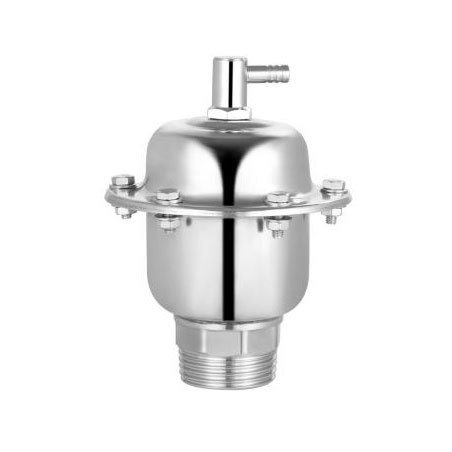
How to Choose the Right 304 Stainless Steel Exhaust Valve for Optimal Performance
2026-02-27
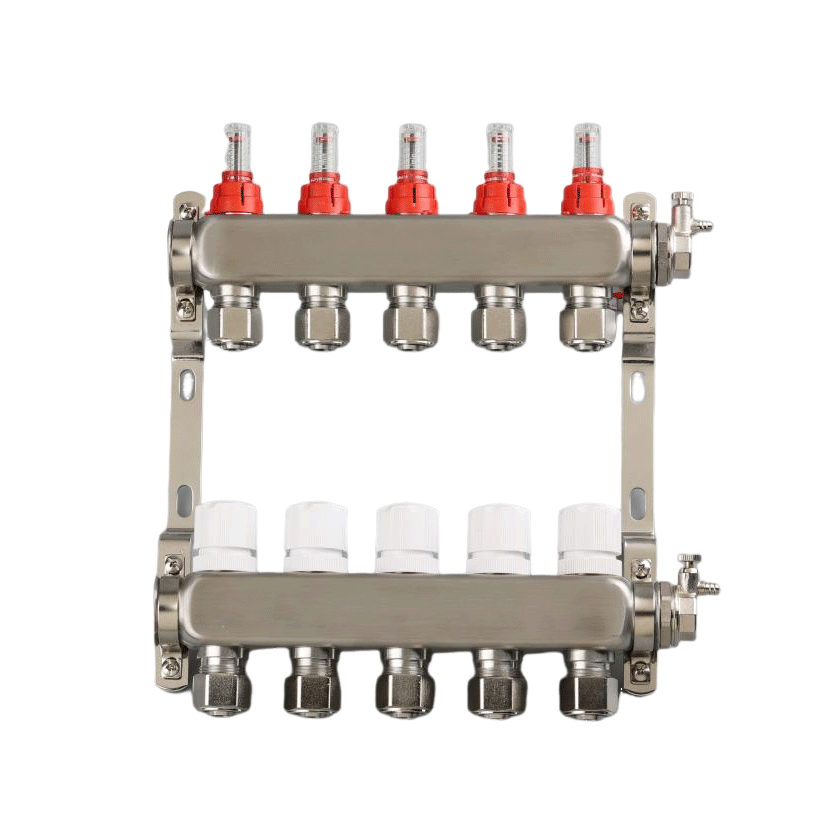
Understanding Hot Water Engineering Exhaust Valves: Essential Insights for Industrial Applications
2026-02-26
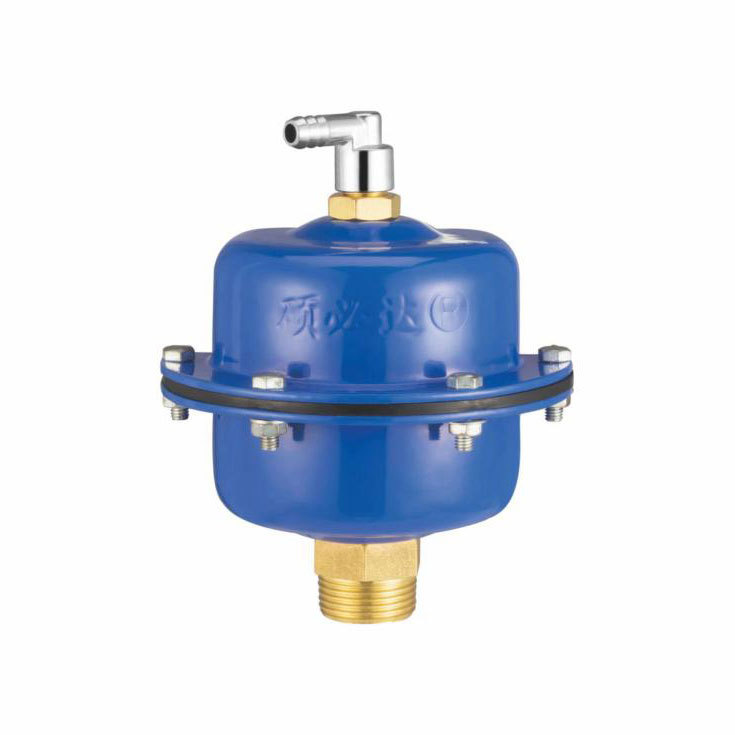
Quick Intake and Exhaust Valves: A Key to Superior Industrial Operations
2026-02-25
CONTACT US
You can email us
24-Hour Consultation Hotline
Head office Address
Renhekou Village, Beixinzhuang Town, Renqiu City, Hebei Province

Please tell us what you need
Our engineers will contact you within 12 hours and provide free proposal and quotation.