
 English
 Russian
Quick Intake and Exhaust Valves: A Key to Superior Industrial Operations
2026-02-25
Quick Intake and Exhaust Valves: A Key to Superior Industrial Operations
Table of Contents
- 1. Introduction to Quick Intake and Exhaust Valves
- 2. The Importance of Quick Intake and Exhaust Valves in Industry
- 3. Working Principle of Quick Intake and Exhaust Valves
- 4. Types of Quick Intake and Exhaust Valves
- 5. Applications of Quick Intake and Exhaust Valves in Various Industries
- 6. Benefits of Using Quick Intake and Exhaust Valves
- 7. Installation and Maintenance Best Practices
- 8. FAQs about Quick Intake and Exhaust Valves
- 9. Conclusion
1. Introduction to Quick Intake and Exhaust Valves
In the realm of industrial operations, efficiency and performance are paramount. **Quick intake and exhaust valves** serve as vital components in various systems, enabling optimal flow and pressure management. These valves are expertly designed to regulate the intake of fluids and gases and facilitate their rapid expulsion, thereby playing a crucial role in enhancing overall system efficiency.
Understanding the mechanics behind these valves is essential for any facility aiming to maintain competitive operational standards. This article delves into the pivotal role of quick intake and exhaust valves, examining their types, applications, benefits, and maintenance practices to ensure that your industrial processes run smoothly.
2. The Importance of Quick Intake and Exhaust Valves in Industry
Quick intake and exhaust valves are indispensable in numerous industrial applications. Their ability to control the flow of fluids and gases directly impacts operational efficiency, process safety, and equipment longevity. Below are some reasons underscoring their importance:
2.1 Enhancing Operational Efficiency
These valves allow for rapid changes in flow, reducing downtime and facilitating swift adjustments to operational parameters. This ensures that processes can adapt quickly to fluctuating demands, leading to optimal resource utilization.
2.2 Improving Safety Standards
In industrial environments where hazardous materials may be present, the role of quick intake and exhaust valves extends to safety enhancements. They ensure that processes can vent gases or liquids efficiently, preventing pressure build-up and potential accidents.
2.3 Supporting Equipment Longevity
By regulating flow rates and minimizing backpressure, these valves contribute to the overall health of industrial equipment. Proper management of intake and exhaust can prevent mechanical failures, thereby extending the lifespan of machinery.
3. Working Principle of Quick Intake and Exhaust Valves
Understanding how quick intake and exhaust valves function is crucial for optimizing their use. The basic principle revolves around their ability to open and close rapidly, which is facilitated by various mechanisms, including:
3.1 Pneumatic Actuation
Pneumatic quick intake and exhaust valves operate by using compressed air to control the valve's opening and closing. This method allows for swift actuation, making it ideal for applications requiring quick response times.
3.2 Hydraulic Actuation
For applications involving higher pressures or heavier fluids, hydraulic actuation may be preferred. This method leverages hydraulic fluid to provide the force necessary for rapid valve operation, ensuring efficient flow management.
3.3 Manual Operation
Although less common in high-demand environments, some valves are designed for manual operation. These are often used in applications where automation is not feasible or necessary, providing a simple yet effective means of controlling flow.
4. Types of Quick Intake and Exhaust Valves
Quick intake and exhaust valves come in various types, each designed for specific applications and environments. Understanding these types is essential for selecting the right valve for your operational needs.
4.1 Butterfly Valves
**Butterfly valves** are commonly used for quick on/off control. They feature a disc that rotates to either allow or block flow, making them ideal for applications requiring rapid shut-off.
4.2 Ball Valves
**Ball valves** are known for their durability and tight sealing capabilities. They can manage high-pressure applications effectively and provide reliable flow control.
4.3 Check Valves
**Check valves** prevent backflow in systems. They automatically open to allow flow in one direction and close to stop reverse flow, ensuring system integrity.
4.4 Solenoid Valves
**Solenoid valves** are electrically operated and provide rapid actuation, making them suitable for automated systems. Their compact design allows for easy integration into various applications.
5. Applications of Quick Intake and Exhaust Valves in Various Industries
Quick intake and exhaust valves are widely utilized across different industries due to their versatility and functionality. Below are some prominent applications:
5.1 Manufacturing
In manufacturing processes, these valves regulate the flow of materials, ensuring that production lines operate efficiently. They are essential in applications involving pneumatic and hydraulic systems.
5.2 Automotive
In the automotive sector, quick intake and exhaust valves optimize engine performance by controlling airflow, which is critical for efficiency and emissions management.
5.3 Chemical Processing
These valves are crucial in chemical processing plants where precise flow control is necessary to maintain safety and compliance with regulations.
5.4 HVAC Systems
In heating, ventilation, and air conditioning (HVAC) systems, quick intake and exhaust valves contribute to maintaining desired temperature and airflow, enhancing comfort and energy efficiency.
6. Benefits of Using Quick Intake and Exhaust Valves
Incorporating quick intake and exhaust valves into industrial processes offers numerous benefits that can significantly impact operational efficiency and safety.
6.1 Increased Productivity
With their ability to facilitate rapid flow changes, these valves minimize downtime, allowing processes to run smoothly and efficiently, thus boosting overall productivity.
6.2 Cost Savings
By improving system efficiency and reducing wear on equipment, quick intake and exhaust valves can lead to significant cost savings in maintenance and energy consumption.
6.3 Enhanced Process Control
These valves provide operators with precise control over flow rates, enabling more effective management of industrial processes and leading to better quality outputs.
7. Installation and Maintenance Best Practices
Proper installation and maintenance of quick intake and exhaust valves are essential for ensuring their longevity and effectiveness. Here are some best practices:
7.1 Installation Guidelines
- Ensure that the valve is compatible with the system’s specifications.
- Install in accordance with the manufacturer’s guidelines, paying attention to orientation and alignment.
- Use appropriate sealing materials to prevent leaks.
7.2 Regular Maintenance
- Conduct routine inspections to identify any signs of wear or damage.
- Clean valves periodically to prevent buildup that could hinder performance.
- Replace any worn components promptly to avoid system failures.
8. FAQs about Quick Intake and Exhaust Valves
8.1 What materials are quick intake and exhaust valves made from?
Quick intake and exhaust valves can be made from various materials, including stainless steel, brass, and plastics, depending on the application and environment.
8.2 How do I choose the right valve for my application?
Consider factors such as pressure requirements, flow rates, and the nature of the fluids or gases being controlled to select the appropriate valve.
8.3 Can quick intake and exhaust valves be automated?
Yes, many quick intake and exhaust valves can be automated using pneumatic, hydraulic, or electrical actuation systems for enhanced efficiency.
8.4 How often should I perform maintenance on these valves?
Maintenance frequency depends on usage and environment, but regular inspections and cleaning are recommended to ensure optimal performance.
8.5 Are quick intake and exhaust valves expensive to replace?
Costs can vary based on the type and material of the valve, but investing in quality valves can lead to long-term savings through improved efficiency and reduced maintenance.
9. Conclusion
Quick intake and exhaust valves are a cornerstone of efficient industrial operations, playing a critical role in regulating fluid and gas flow in various applications. Their ability to enhance productivity, improve safety, and support equipment longevity underscores their importance in modern industrial settings. By understanding the types, applications, and advantages of these valves, businesses can make informed decisions that contribute to superior operational performance. Investing time in proper installation and maintenance practices further ensures that these vital components continue to perform optimally, driving success in an increasingly competitive industrial landscape.
Quick intake and exhaust automatic exhaust valve
Related information
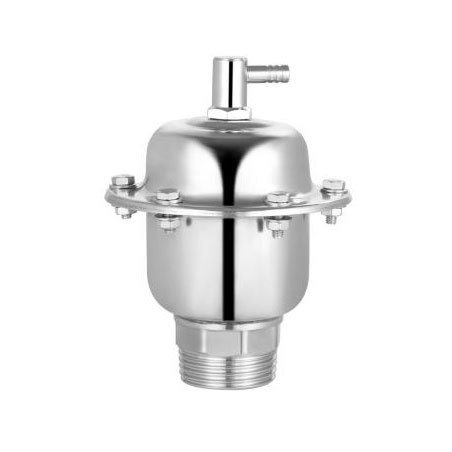
How to Choose the Right 304 Stainless Steel Exhaust Valve for Optimal Performance
2026-02-27
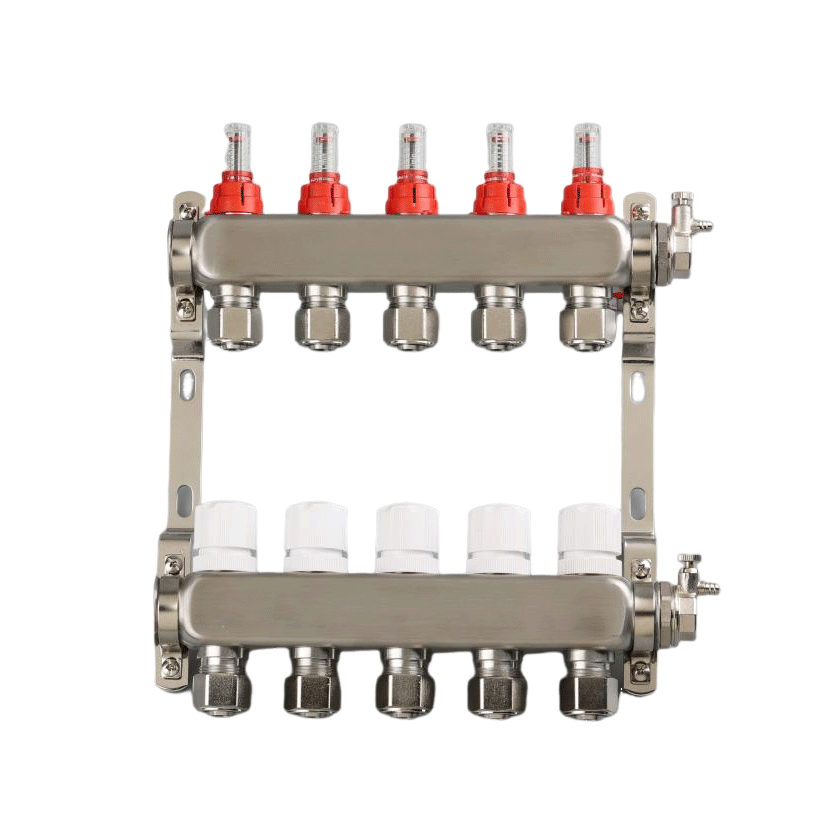
Understanding Hot Water Engineering Exhaust Valves: Essential Insights for Industrial Applications
2026-02-26
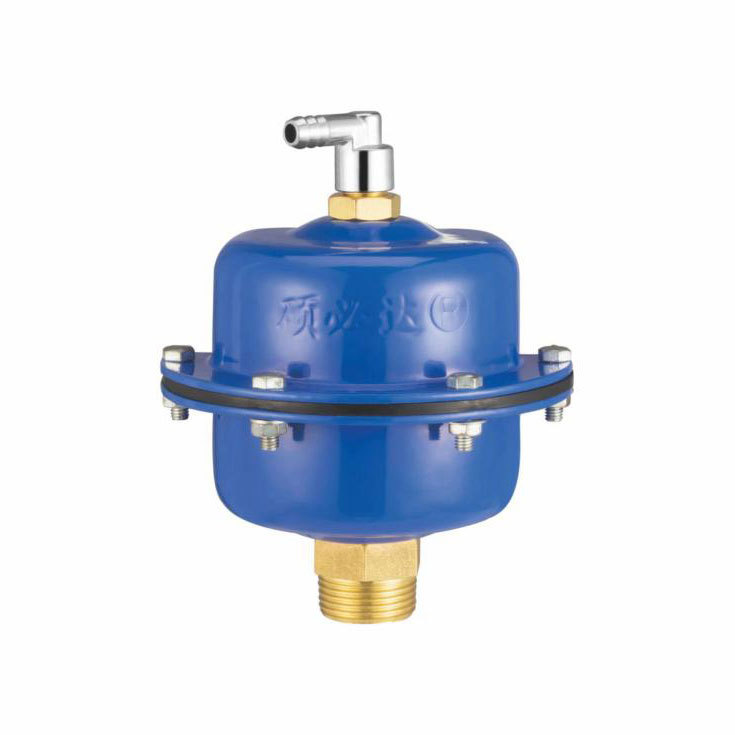
Quick Intake and Exhaust Valves: A Key to Superior Industrial Operations
2026-02-25
CONTACT US
You can email us
24-Hour Consultation Hotline
Head office Address
Renhekou Village, Beixinzhuang Town, Renqiu City, Hebei Province

Please tell us what you need
Our engineers will contact you within 12 hours and provide free proposal and quotation.