
 English
 Russian
304 Stainless Steel Exhaust Valves: Enhancing Performance in High-Temperature Conditions
2026-07-09
304 Stainless Steel Exhaust Valves: Enhancing Performance in High-Temperature Conditions
Table of Contents
- Introduction to 304 Stainless Steel Exhaust Valves
- Key Properties of 304 Stainless Steel
- Benefits of Using 304 Stainless Steel Exhaust Valves
- Applications of 304 Stainless Steel Exhaust Valves
- Performance in High-Temperature Conditions
- Installation and Maintenance Tips
- Comparison with Other Materials
- Frequently Asked Questions
- Conclusion
Introduction to 304 Stainless Steel Exhaust Valves
In the realm of industrial equipment and components, **304 stainless steel exhaust valves** stand out as a critical element in maintaining and enhancing engine performance. These valves are specifically designed to endure high-temperature conditions while providing optimal flow characteristics. Understanding the significance of these valves is essential for industries that rely heavily on high-performance machinery.
Key Properties of 304 Stainless Steel
**304 stainless steel** is renowned for its excellent corrosion resistance, which is crucial in high-temperature applications. Its composition includes 18% chromium and 8% nickel, providing strength and durability. Key properties include:
Corrosion Resistance
The high chromium content offers exceptional resistance against rust and oxidation, making it ideal for environments exposed to extreme conditions.
High Strength
304 stainless steel exhibits significant tensile strength, ensuring that exhaust valves can withstand the mechanical stresses encountered during operation.
Temperature Tolerance
With a melting point of around 1400-1450 degrees Celsius, 304 stainless steel remains stable and functional even at elevated temperatures.
Ease of Fabrication
This material is relatively easy to machine and fabricate, allowing for precise manufacturing of exhaust valves tailored to specific needs.
Benefits of Using 304 Stainless Steel Exhaust Valves
Utilizing 304 stainless steel exhaust valves in industrial applications offers several advantages:
Improved Durability
These valves exhibit superior wear resistance, contributing to a longer lifespan and reduced downtime due to maintenance or replacements.
Enhanced Performance
304 stainless steel valves can handle extreme temperatures without losing integrity, ensuring consistent performance and efficiency.
Lower Maintenance Costs
The longevity and reliability of 304 stainless steel valves translate to lower overall maintenance costs, benefiting operations significantly.
Versatility
These valves can be used in a variety of applications, from automotive to industrial machinery, making them a versatile choice for manufacturers.
Applications of 304 Stainless Steel Exhaust Valves
304 stainless steel exhaust valves find applications in numerous industries:
Automotive Industry
In vehicles, these valves are crucial for managing exhaust gases, optimizing engine performance, and meeting emissions standards.
Aerospace Applications
High-performance aircraft engines benefit from the use of stainless steel valves, which can endure the harsh conditions of flight.
Power Generation
Power plants utilize these valves in turbines and generators, where high temperatures and pressures are common.
Marine Applications
In marine engines, 304 stainless steel provides the necessary resistance to corrosion from saltwater, ensuring longevity.
Performance in High-Temperature Conditions
One of the standout features of 304 stainless steel exhaust valves is their ability to maintain performance in high-temperature environments. These valves not only resist warping and degradation but also provide:
Consistent Flow Rates
Maintaining optimal flow is essential for engine efficiency. 304 stainless steel valves ensure that exhaust gases are expelled effectively, preventing backpressure that can hinder performance.
Thermal Stability
These valves exhibit minimal expansion with temperature changes, ensuring a tight seal and preventing leaks that could disrupt machinery operation.
Resistance to Oxidation
Under high temperatures, oxidation can quickly degrade materials. 304 stainless steel's corrosion resistance protects it from such deterioration, maintaining its functionality and reliability.
Installation and Maintenance Tips
Proper installation and maintenance are crucial for maximizing the performance of 304 stainless steel exhaust valves. Here are some tips:
Choosing the Right Valves
Select valves that are specifically designed for your application to ensure compatibility and performance.
Follow Manufacturer Guidelines
Always adhere to the installation instructions provided by the manufacturer to avoid issues that may arise from improper setup.
Regular Inspections
Conduct regular inspections to check for wear or damage, allowing for timely maintenance that can prevent costly repairs.
Lubrication
Ensure proper lubrication during installation and maintenance to facilitate smooth operation and minimize wear.
Comparison with Other Materials
While there are various materials available for exhaust valves, 304 stainless steel offers unique advantages over others:
Carbon Steel
While carbon steel is cost-effective, it lacks the corrosion resistance of 304 stainless steel, making it less suitable for high-temperature applications.
Cast Iron
Cast iron valves can be brittle and are prone to cracking under high temperatures, whereas 304 stainless steel provides better resilience.
Other Stainless Steels
Compared to other stainless steel alloys, 304 stainless steel offers a balanced combination of strength, corrosion resistance, and cost-effectiveness, making it an ideal choice for exhaust valves.
Frequently Asked Questions
What makes 304 stainless steel ideal for exhaust valves?
304 stainless steel's corrosion resistance, high strength, and temperature tolerance make it an excellent choice for exhaust valves in high-temperature applications.
How can I ensure the longevity of 304 stainless steel exhaust valves?
Regular maintenance, including inspections and lubrication, will significantly enhance the lifespan of these valves.
Can 304 stainless steel exhaust valves be used in marine applications?
Yes, 304 stainless steel's corrosion resistance makes it suitable for use in marine engines exposed to saltwater.
What are the common issues faced with exhaust valves?
Common issues include wear, warping, and oxidation, which can affect valve performance and engine efficiency.
Are there any specific installation techniques for 304 stainless steel exhaust valves?
Following manufacturer guidelines, ensuring proper fit and lubrication, and conducting regular inspections are critical for successful installation.
Conclusion
In high-temperature environments, **304 stainless steel exhaust valves** play a pivotal role in ensuring optimal performance and reliability. With their superior properties, they not only enhance engine efficiency but also reduce maintenance costs and downtime. By choosing 304 stainless steel valves and following best practices for installation and maintenance, industries can significantly improve their operational performance, making them a smart investment for any high-performance application.
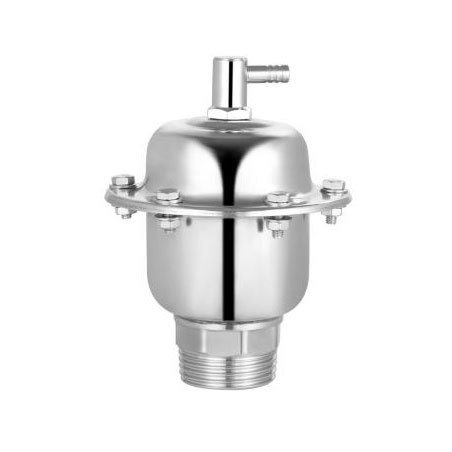
304 Stainless Steel Exhaust Valve
Related information
304 Stainless Steel Exhaust Valves: Enhancing Performance in High-Temperature Conditions
2026-07-09
Understanding Hot Water Engineering Exhaust Valves: Essential Insights for Industrial Applications
2026-07-07
Quick Intake and Exhaust Solutions: Enhancing Your Industrial Equipment for Optimal Performance
2026-07-05
CONTACT US
You can email us
24-Hour Consultation Hotline
Head office Address
Renhekou Village, Beixinzhuang Town, Renqiu City, Hebei Province

Please tell us what you need
Our engineers will contact you within 12 hours and provide free proposal and quotation.