
 English
 Russian
Understanding the Benefits and Applications of 304 Stainless Steel Exhaust Valves
2026-06-25
One of the primary benefits of utilizing 304 stainless steel in exhaust valves is its ability to withstand high temperatures. In many industrial processes, exhaust valves are exposed to extreme heat and corrosive environments. The high-temperature tolerance of 304 stainless steel helps maintain the integrity of the valve over time, reducing the frequency of replacements and maintenance. This reliability translates into increased operational efficiency and lower long-term costs for businesses.
Additionally, the corrosion resistance of 304 stainless steel is a significant advantage. Exhaust systems, especially those in chemical processing and marine applications, often involve exposure to harsh chemicals and environmental conditions that can lead to rapid degradation of less durable materials. 304 stainless steel's resistance to pitting and crevice corrosion ensures that exhaust valves remain functional and effective, even in the most challenging environments.
Another noteworthy feature of 304 stainless steel exhaust valves is their ease of fabrication. The material can be easily welded and machined, allowing for precise manufacturing processes that can be tailored to specific operational requirements. This flexibility makes it possible to produce exhaust valves in various shapes and sizes, accommodating a wide range of industrial applications.
Moreover, 304 stainless steel is relatively lightweight compared to other metals, which helps in reducing the overall weight of the machinery or equipment in which these valves are installed. This can be particularly beneficial in sectors such as automotive and aerospace, where minimizing weight is often critical to maximizing performance and efficiency.
In conclusion, 304 stainless steel exhaust valves represent a powerful solution for industries requiring reliable, durable, and efficient valve components. Their unique combination of high-temperature resistance, superior corrosion resistance, and ease of fabrication makes them a preferred choice in various industrial applications. By understanding the properties and advantages of 304 stainless steel exhaust valves, businesses can make informed decisions that enhance their operational efficiency and longevity of their equipment.
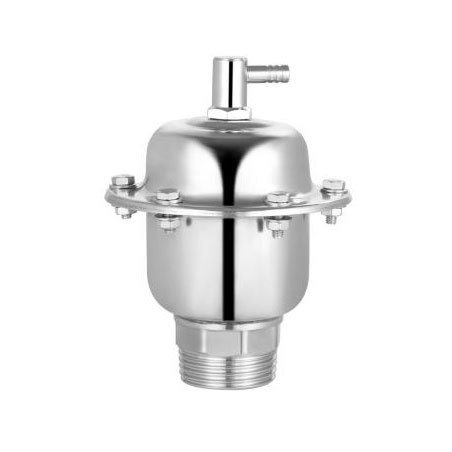
304 Stainless Steel Exhaust Valve
Related information
Understanding the Benefits and Applications of 304 Stainless Steel Exhaust Valves
2026-06-25
Hot Water Engineering Exhaust Valves: A Comprehensive Guide for Beginners
2026-06-23
Enhancing Efficiency with Quick Intake and Exhaust Automatic Exhaust Valves
2026-06-21
CONTACT US
You can email us
24-Hour Consultation Hotline
Head office Address
Renhekou Village, Beixinzhuang Town, Renqiu City, Hebei Province

Please tell us what you need
Our engineers will contact you within 12 hours and provide free proposal and quotation.