Understanding the Benefits of 304 Stainless Steel Exhaust Valves in Industrial Applications
2026-05-27
When discussing the importance of materials used in industrial components, 304 stainless steel is often highlighted for its superior properties, especially in the manufacturing of exhaust valves. The 304 stainless steel exhaust valve is widely recognized for its exceptional resistance to corrosion and oxidation, making it an ideal choice for various industrial applications where durability and rel
When discussing the importance of materials used in industrial components, 304 stainless steel is often highlighted for its superior properties, especially in the manufacturing of exhaust valves. The 304 stainless steel exhaust valve is widely recognized for its exceptional resistance to corrosion and oxidation, making it an ideal choice for various industrial applications where durability and reliability are paramount.
One of the primary benefits of using 304 stainless steel in exhaust valves is its excellent mechanical properties. This type of stainless steel possesses a high tensile strength, which allows it to withstand considerable stress and pressure without deforming. Consequently, 304 stainless steel exhaust valves maintain their structural integrity even under harsh operating conditions, which is crucial in industries like automotive and aerospace, where performance and safety are critical.
Another significant advantage of 304 stainless steel exhaust valves is their resistance to chemical attack. They can endure exposure to a wide range of corrosive environments, making them suitable for applications involving gases, steam, and various industrial fluids. This property ensures a longer lifespan for the valves and reduces the frequency of maintenance and replacements, ultimately resulting in cost savings for industrial operations.
Moreover, 304 stainless steel offers excellent thermal stability. Exhaust valves often operate under high temperatures, and the ability of 304 stainless steel to maintain its strength and performance at elevated temperatures is a vital consideration. This thermal resilience makes it a preferred material for exhaust systems in engines and other high-temperature applications.
The fabrication and machining properties of 304 stainless steel further enhance its appeal. The ease of forming and welding allows for the production of complex valve designs, enabling manufacturers to create customized solutions that meet specific operational requirements. This versatility is particularly beneficial in the development of innovative valve technologies.
In addition to their mechanical and thermal properties, 304 stainless steel exhaust valves also contribute to the overall efficiency of industrial processes. Their reliable performance helps maintain optimal flow rates and pressure control, leading to improved system efficiency. This efficiency is particularly important in industries where energy consumption and emissions are closely monitored and regulated.
In conclusion, 304 stainless steel exhaust valves are a vital component in numerous industrial applications due to their corrosion resistance, mechanical strength, thermal stability, and ease of manufacturing. Choosing the right exhaust valve can significantly impact the efficiency and longevity of industrial systems, making 304 stainless steel an excellent choice for engineers and industry professionals looking to optimize their equipment's performance. By understanding the benefits of 304 stainless steel, professionals can make informed decisions that enhance operational reliability and reduce overall costs.
One of the primary benefits of using 304 stainless steel in exhaust valves is its excellent mechanical properties. This type of stainless steel possesses a high tensile strength, which allows it to withstand considerable stress and pressure without deforming. Consequently, 304 stainless steel exhaust valves maintain their structural integrity even under harsh operating conditions, which is crucial in industries like automotive and aerospace, where performance and safety are critical.
Another significant advantage of 304 stainless steel exhaust valves is their resistance to chemical attack. They can endure exposure to a wide range of corrosive environments, making them suitable for applications involving gases, steam, and various industrial fluids. This property ensures a longer lifespan for the valves and reduces the frequency of maintenance and replacements, ultimately resulting in cost savings for industrial operations.
Moreover, 304 stainless steel offers excellent thermal stability. Exhaust valves often operate under high temperatures, and the ability of 304 stainless steel to maintain its strength and performance at elevated temperatures is a vital consideration. This thermal resilience makes it a preferred material for exhaust systems in engines and other high-temperature applications.
The fabrication and machining properties of 304 stainless steel further enhance its appeal. The ease of forming and welding allows for the production of complex valve designs, enabling manufacturers to create customized solutions that meet specific operational requirements. This versatility is particularly beneficial in the development of innovative valve technologies.
In addition to their mechanical and thermal properties, 304 stainless steel exhaust valves also contribute to the overall efficiency of industrial processes. Their reliable performance helps maintain optimal flow rates and pressure control, leading to improved system efficiency. This efficiency is particularly important in industries where energy consumption and emissions are closely monitored and regulated.
In conclusion, 304 stainless steel exhaust valves are a vital component in numerous industrial applications due to their corrosion resistance, mechanical strength, thermal stability, and ease of manufacturing. Choosing the right exhaust valve can significantly impact the efficiency and longevity of industrial systems, making 304 stainless steel an excellent choice for engineers and industry professionals looking to optimize their equipment's performance. By understanding the benefits of 304 stainless steel, professionals can make informed decisions that enhance operational reliability and reduce overall costs.
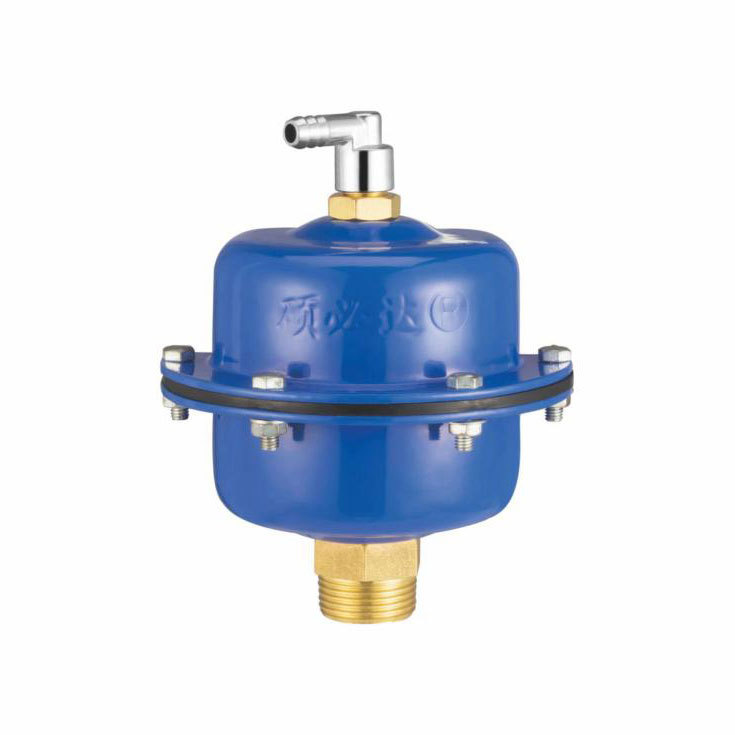
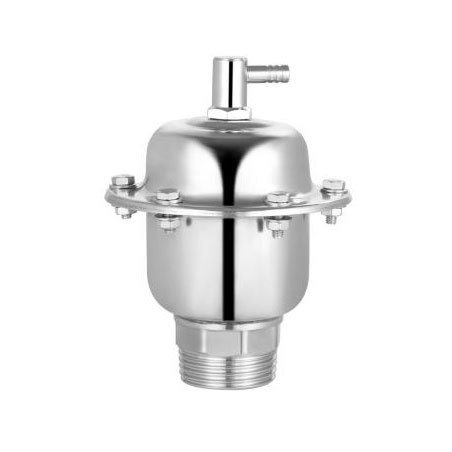
304 Stainless Steel Exhaust Valve
Related information
Understanding the Benefits of 304 Stainless Steel Exhaust Valves in Industrial Applications
When discussing the importance of materials used in industrial components, 304 stainless steel is often highlighted for its superior properties, especially in the manufacturing of exhaust valves. The 304 stainless steel exhaust valve is widely recognized for its exceptional resistance to corrosion and oxidation, making it an ideal choice for various industrial applications where durability and rel
2026-05-27
What You Need to Know About Hot Water Engineering Exhaust Valve Types
Understanding Hot Water Engineering Exhaust Valves: A Comprehensive Guide
Table of Contents
Introduction to Hot Water Engineering Exhaust Valves
What Are Exhaust Valves in Hot Water Systems?
Types of Exhaust Valves
Automatic Exhaust Valves
Manual Exhaust Valves
Pressure Relief Valves
Applications of Exhaust Valves in Hot W
2026-05-25
Understanding Quick Intake and Exhaust Automatic Exhaust Valves in Industrial Applications
The quick intake and exhaust automatic exhaust valve is a significant component in various industrial applications, primarily focused on optimizing airflow and enhancing system efficiency. These valves play a crucial role in controlling the intake and exhaust of gases or air, enabling smooth operation in machinery where precise airflow management is necessary.
At its core, the quick intake and exh
2026-05-23
English
Russian